 Listicle
Benefits of Professional Interior Painting Services
Table of Contents
- Why Professional Interior Painting Delivers Results
- Interior Painting Preparation: The Foundation of Quality
- Understanding Interior Painting Cost and Value
- How Long Does It Take to Paint a House Interior
- How to Choose an Interior Painting Contractor
- Protection and Precision: What Sets Professionals Apart
- Frequently Asked Questions
Last Updated: October 8, 2026
Why Professional Interior Painting Delivers Results
When you hire a professional interior painting contractor, you're investing in far more than a fresh coat of paint. The difference between DIY attempts and professional work shows up immediately: in how walls look months later, how long the finish lasts, and whether the job stays within budget and timeline.
Homeowners and property managers often make the same costly mistakes repeatedly. They underestimate preparation time. They skip primer on stained surfaces. They choose the wrong paint sheen for high-traffic areas. These shortcuts save days upfront but cost months of frustration when paint peels, streaks, or fades unevenly.
Professional interior painting eliminates these problems because it follows a structured process from estimate to final inspection. Here's what separates quality work from average results.
Interior Painting Preparation: The Foundation of Quality
Preparation determines everything. A painter who rushes this phase will deliver poor results no matter how skilled they are with a brush. Proper preparation takes time, but it's the only way to guarantee paint adheres correctly and lasts years instead of months.
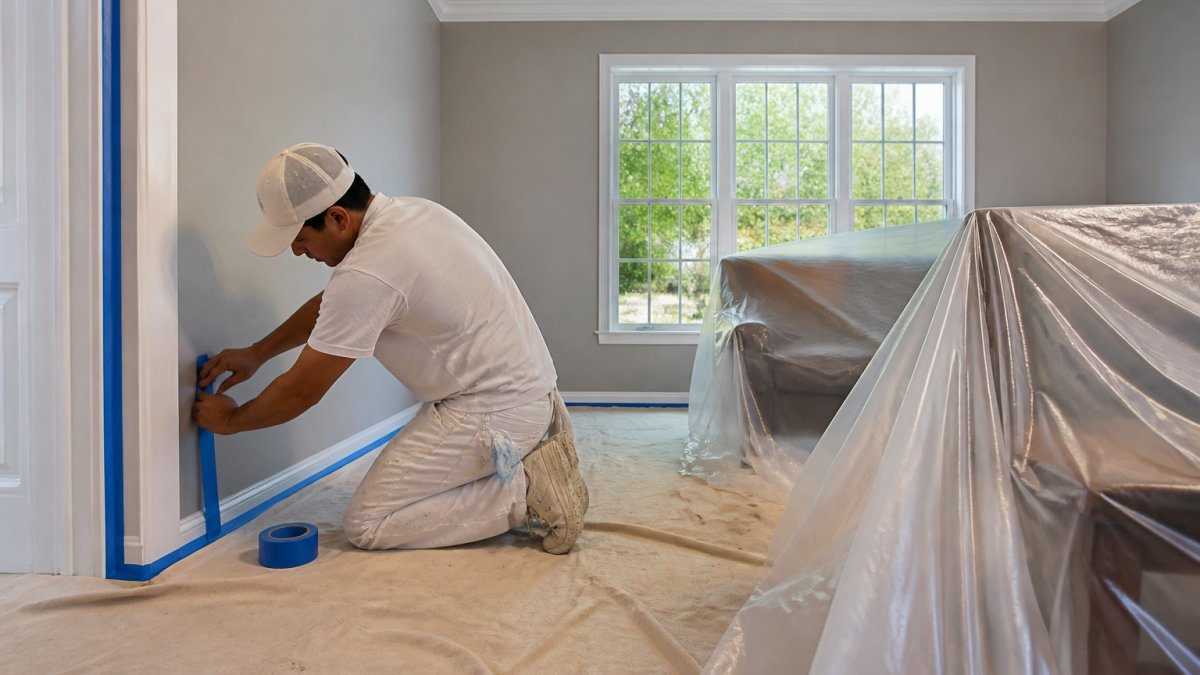
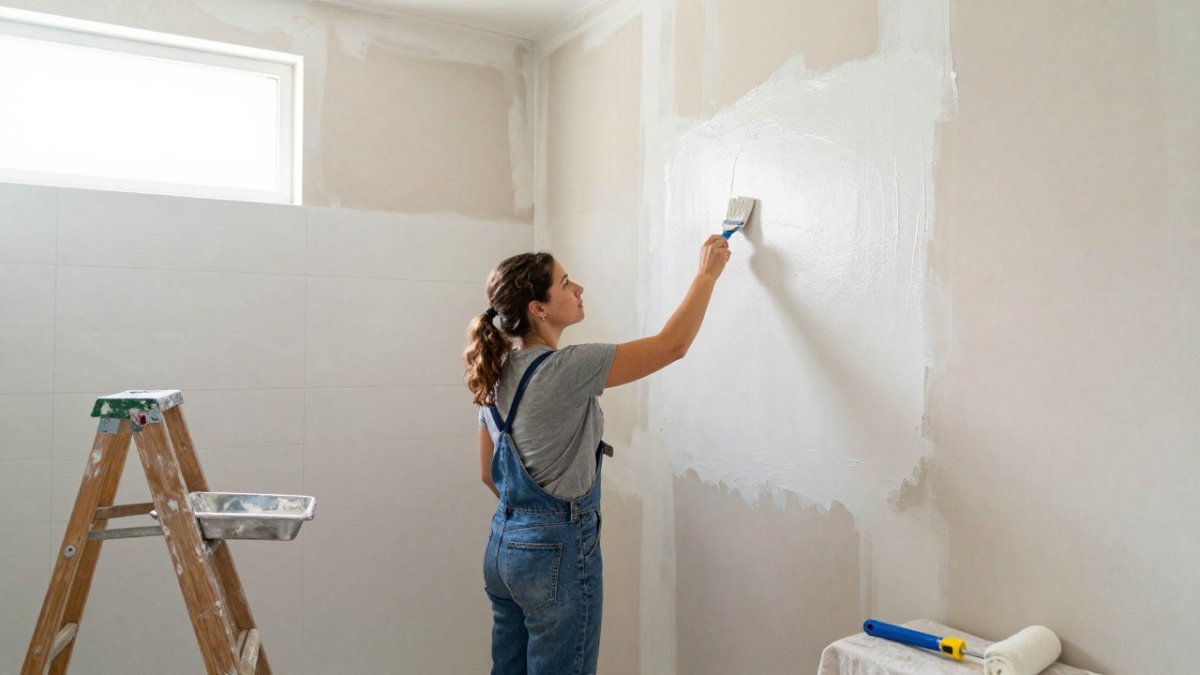
Professional interior painting contractors know that surface preparation includes several critical steps. They wash walls to remove dust and grime. They sand glossy surfaces so new paint can bond. They fill holes and cracks with spackling compound. They apply primer to stained areas, water damage, or new drywall. They protect trim, fixtures, and flooring with tape and coverings.
This phase typically takes longer than the actual painting. Many homeowners are surprised by how much time professionals spend prepping before any paint touches the wall. But this investment prevents callbacks, repainting, and customer frustration.
The most common mistake is skipping primer on surfaces that need it. Stains, water marks, and bold colors bleed through paint without proper primer. Cabinet painting especially requires meticulous prep, surfaces must be cleaned, sanded, and primed for paint to adhere and resist chipping and peeling over time.
Understanding Interior Painting Cost and Value
Cost matters, but it shouldn't be the only factor in choosing a contractor. A low bid often signals corners being cut, fewer coats, cheaper paint, minimal prep work, or rushed timelines.
Professional interior painting costs more than bargain options because quality work requires investment. Premium paint covers better and lasts longer. Proper preparation takes time. Experienced painters work efficiently but never sacrifice quality for speed.
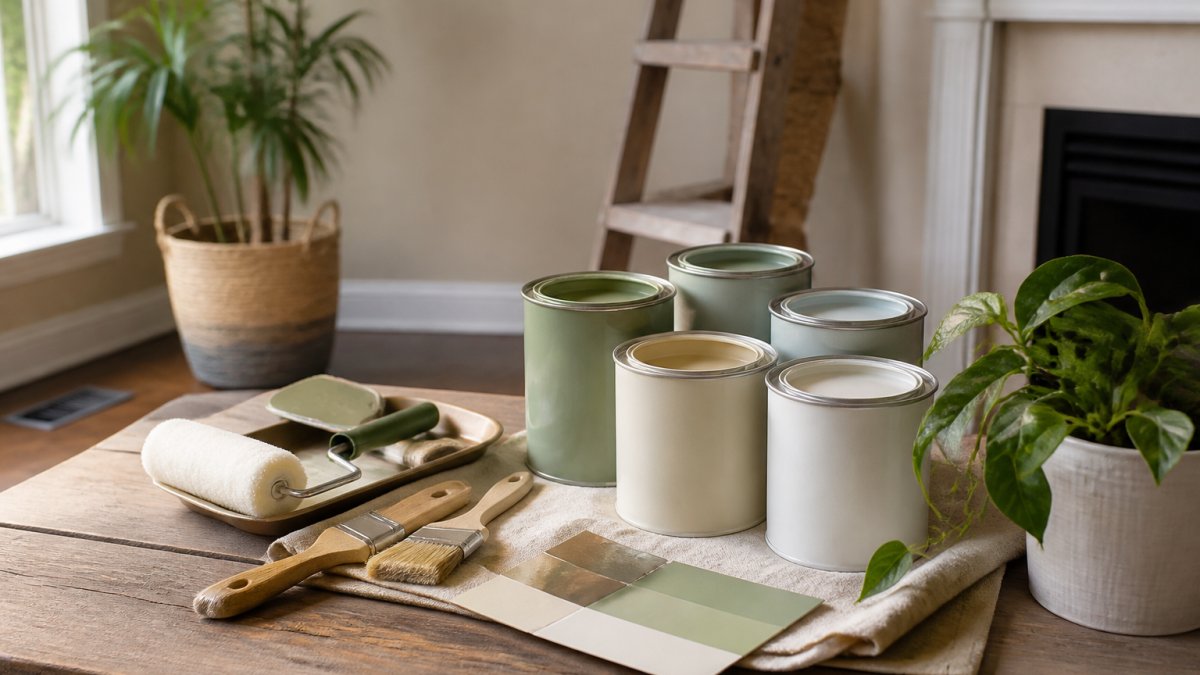
When comparing estimates, look beyond the headline number. Ask what's included in the scope. Does it cover primer, multiple coats, protection of your belongings, and cleanup? Are there separate charges for prep work, trim, or touch-ups? A transparent estimate from a professional contractor breaks down exactly what you're paying for.
The value of professional work becomes clear over time. Paint that's properly applied lasts years longer. Rooms look finished and polished rather than patchy or uneven. You avoid the expense of hiring someone else to fix rushed work. And you get your time back, professional painters complete jobs in days, not weeks of weekend work.
How Long Does It Take to Paint a House Interior
Most residential interior painting projects take between three to seven days, depending on the size of the space, the number of coats needed, and the complexity of the job. A single room might take one to three days. An entire house interior could take one to two weeks.
The timeline depends on several factors. Rooms with high ceilings or intricate trim take longer. Multiple coats require drying time between applications. Prep work, which is often the longest phase, extends the schedule but guarantees better results.
Professional painters plan schedules carefully and communicate timelines upfront. They account for drying time and don't rush between coats. They show up on schedule and work efficiently without cutting corners. For rental properties or commercial spaces with tight turnaround times, professional painters coordinate to minimize disruption and meet deadlines.
One advantage of hiring professionals is predictability. You know when the work will start and when it will finish. DIY projects often stretch longer than expected because painting is physically demanding and time-consuming. Professionals have the experience and equipment to work faster without sacrificing quality.
How to Choose an Interior Painting Contractor
Choosing the right contractor matters more than choosing the cheapest option. A good contractor communicates clearly, delivers on promises, and stands behind their work.
Start by asking for references and checking online reviews. Look for contractors who have experience with your specific project type, residential interior, cabinet painting, or commercial spaces. Ask about their process, including how they prepare surfaces and what paint products they use.
Request detailed written estimates from multiple contractors. The estimate should specify what's included: prep work, number of coats, primer application, protection of your belongings, and cleanup. It should also list the paint brand and sheen you've selected. A vague estimate is a red flag.
Interview the contractor directly. Ask about their timeline, how they handle unexpected issues, and what happens if you're not satisfied with the work. A professional contractor welcomes these questions and answers them thoroughly.
Look for contractors who emphasize preparation and use quality materials. They should explain why prep work matters and how it affects the final result. They should be willing to answer questions about paint selection and durability.
Protection and Precision: What Sets Professionals Apart
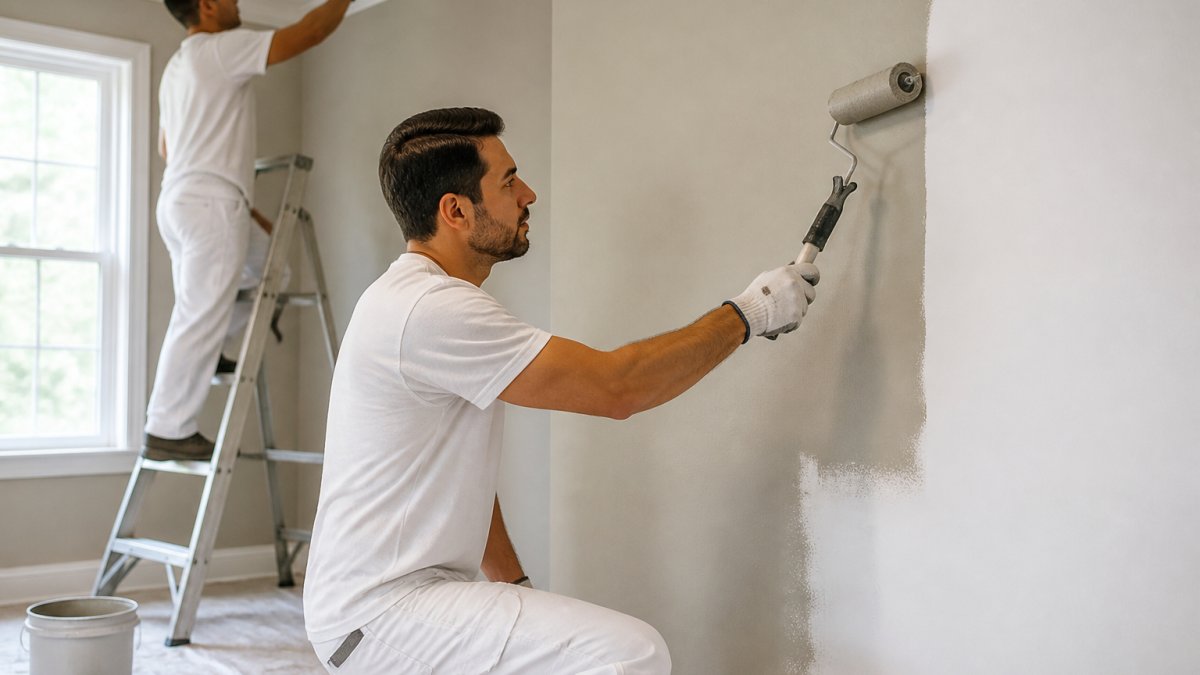
Professional interior painters bring precision and attention to detail that DIY work rarely matches. They use proper techniques to avoid drips, runs, and uneven coverage. They cut clean lines along trim and ceiling edges. They apply consistent, even coats that dry to a uniform finish.
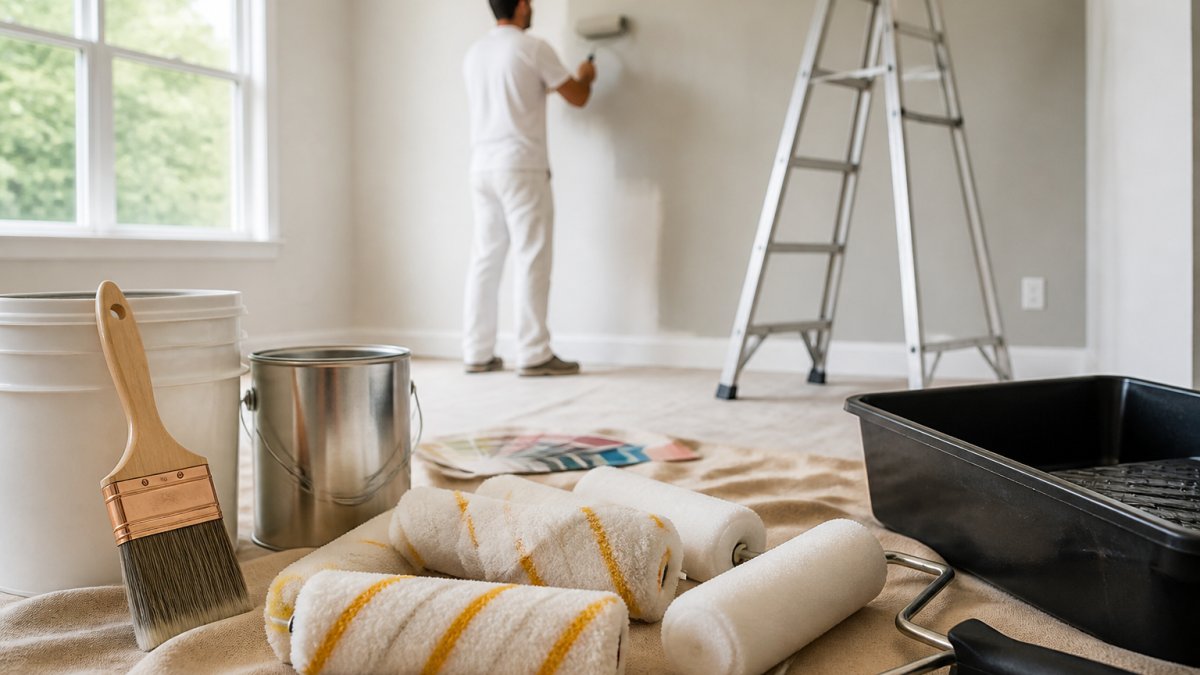
Professionals also understand how to protect your home. They cover furniture, flooring, and fixtures carefully. They use drop cloths and plastic sheeting to contain dust and paint splatters. They clean up thoroughly at the end of each day. Your home stays cleaner and safer throughout the project.
Experience teaches professionals how to handle challenges. They know which primers work best for stains. They understand how humidity affects drying time. They recognize when surfaces need additional prep work before painting begins. They adjust their approach based on the specific conditions of your space.
LMJ Bright Painting Services prioritizes clear communication and defined scopes before work starts. You receive a written scope that details exactly what's included, what surfaces will be painted, how many coats you'll get, and what the final result will look like. This transparency eliminates surprises and gives you confidence in your investment.
Professional painters also stand behind their work. If you're not satisfied with the result, they address concerns and make corrections. This accountability is something you don't get with DIY attempts or unreliable contractors.
Hiring a professional interior painting contractor transforms how your home looks and feels. Quality preparation, skilled execution, and attention to detail create finishes that last years instead of months. When you're ready to refresh your interior walls, trim, or cabinetry, work with a contractor who prioritizes clear planning, transparent communication, and careful craftsmanship. Build a free estimate with LMJ Bright Painting Services and see how professional interior painting can deliver results that exceed your expectations.
Frequently Asked Questions
What are the main benefits of hiring professional interior painting services?
Professional interior painting services deliver superior surface preparation, consistent color application, faster project completion, and long-lasting finishes. Professionals protect your furnishings and flooring, handle difficult surfaces like cabinetry, and provide written scopes so you know exactly what's included before work begins. Their expertise prevents costly mistakes like improper prep that leads to peeling or uneven coverage.
How does professional interior painting preparation differ from DIY preparation?
Professional painters spend significant time on prep work: sanding surfaces, filling gaps, protecting fixtures, and ensuring proper primer application. This methodical approach prevents paint adhesion problems and ensures even coverage. DIY painters often skip steps to save time, leading to paint failure within months. Professional preparation is why cabinet paint lasts years instead of peeling after seasons of use.
How should I choose an interior painting contractor?
Request written estimates that detail the scope of work, surface preparation steps, paint types, and timeline. Ask whether the contractor will verify conditions in person before finalizing pricing to avoid surprise charges. Verify they're licensed and insured. Ask for references from recent projects and confirm who performs the actual work. A reputable contractor provides transparent communication and direct access to ownership, not just subcontractors.
Is professional interior painting worth the cost compared to DIY?
Professional painting costs more upfront but eliminates rework, delivers faster turnaround, and produces finishes that last. DIY projects often require multiple coats, take weeks to complete, and may fail within years due to inadequate prep. For rental properties or commercial spaces, professional work reduces vacancy time and maintains property value. For homeowners, the quality difference and time saved typically justify the investment.