 Listicle
Best Interior Painting Contractors Clearwater: 2026 Guide
Table of Contents
- How We Compared the Best Interior Painting Contractors in Clearwater
- Quick Comparison: Interior Painting Contractors in Clearwater
- The Best Interior Painting Contractors in Clearwater
- Interior Painting Estimate: What Pricing Should Look Like
- Interior Paint Preparation: The Standard to Expect
- How Long Does Interior Painting Take?
- Questions to Ask a Painting Contractor Before You Hire
- Conclusion
- Frequently Asked Questions
Last Updated: October 21, 2026
How We Compared the Best Interior Painting Contractors in Clearwater
Finding the best interior painting contractors in Clearwater starts with one filter: does the company show a written scope before it asks for money?
Most homeowners we talk to hired on price, got a verbal promise, and paid extra for "surprises" behind the drywall. So we weighted process over polish. The contractors below earned a look because they publish real service information, serve Clearwater directly, or carry verifiable local recommendations.
What Earned a Place on This List
Each contractor had to clear four bars: interior painting listed as a service, a Clearwater or Pinellas County presence, a free estimate or published way to request one, and an explanation of process, including surface preparation and scheduling.
A contractor can rank well in a directory and still tell you nothing about how they protect your floors or handle cabinet prep. We flagged those gaps.
Quick Comparison: Interior Painting Contractors in Clearwater
The table below summarizes how each contractor presents itself, what it lists publicly, and where information runs thin. Use it to decide who deserves a call, then verify licensing and insurance directly.
| Contractor | Interior Painting Listed | Clearwater Presence | Free Estimate | Notable Strength |
|---|---|---|---|---|
| LMJ Bright Painting Services | Yes, plus cabinets and commercial | Yes, Tampa Bay focus | Free cost estimator | Written scope before scheduling |
| Integrity Finishes of Tampa Bay | Yes | Dedicated Clearwater page | Not stated | Direct phone contact for Clearwater |
| Seasons Best Painting | Yes, residential and commercial | Pinellas County service area | Yes | Veteran-owned, broad service mix |
| Gulf Coast Tactical Renovations | Listed in local directory | Clearwater directory | Not stated | Directory rates communication highly |
| Garrity Painting LLC | Recommended locally | Clearwater discussion | Not stated | Word-of-mouth recommendation |
The Best Interior Painting Contractors in Clearwater
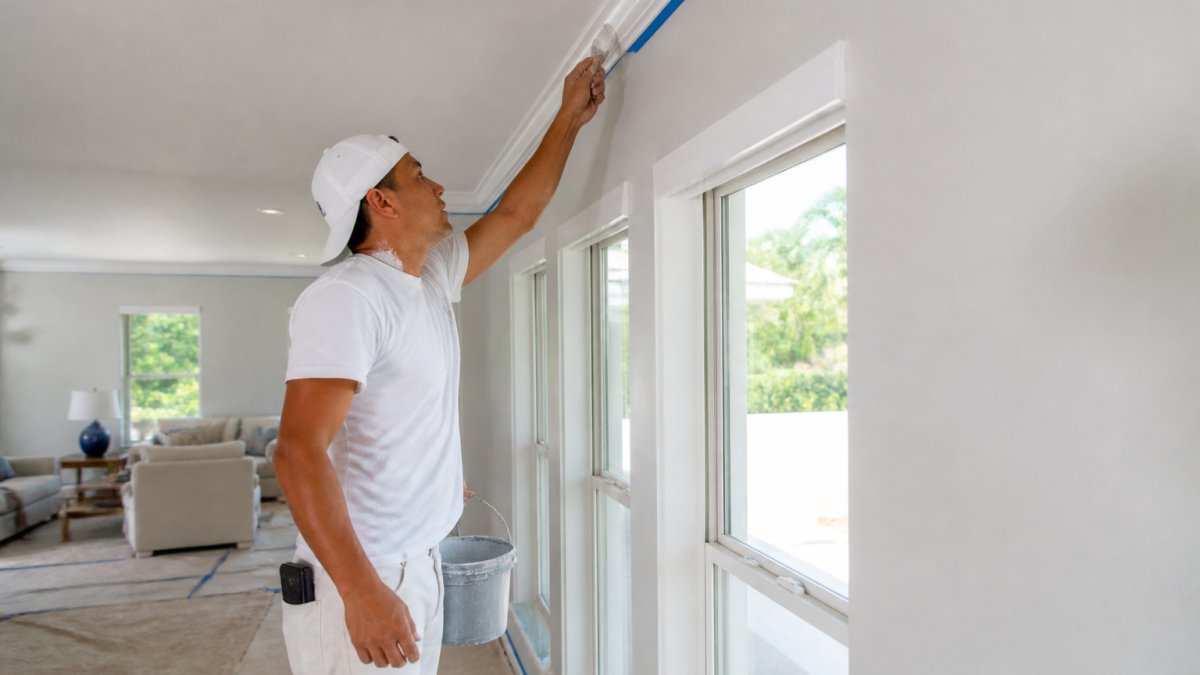
LMJ Bright Painting Services
Our top pick is LMJ Bright Painting Services, and the reason is process. This veteran-owned company provides interior, cabinet, and commercial painting across Tampa Bay, and it builds every project around a detailed scope: room-by-room planning, a free smart interior painting cost estimator, and in-person verification before final pricing.
That structure answers the objection we hear most: fear of hidden issues turning into surprise charges mid-job. When the scope is written first, additions become a conversation, not a bill.
Best for: Homeowners and property managers who want defined scopes and direct access to the owner.
Integrity Finishes of Tampa Bay
Integrity Finishes of Tampa Bay lists interior painting and maintains a dedicated Clearwater contractor page with a direct phone line, so you're not calling a national call center. The tradeoff: it doesn't publish project pricing, preparation standards, or warranty terms in the material we reviewed, so ask those questions on the first call.
Best for: Homeowners who want a Clearwater-focused contractor and prefer to vet by phone.
Seasons Best Painting
Seasons Best Painting is veteran-owned and serves Pinellas County with interior, exterior, residential, and commercial work. Free estimates are offered, which lowers the cost of comparison shopping. Public information doesn't specify timelines or warranty coverage, so ask about both before signing and request a sample of recent interior work.
Best for: Residential or commercial customers who want a veteran-owned contractor covering Pinellas County.
Gulf Coast Tactical Renovations
Gulf Coast Tactical Renovations appears in a Clearwater-specific directory of interior painters, where listed businesses are rated on knowledge, experience, and communication. That's a reasonable starting signal, but a directory listing isn't a scope. The source material doesn't detail services or pricing, so treat the listing as an introduction, not a verdict.
Best for: Homeowners who want a starting point for comparing Clearwater interior painters.
Garrity Painting LLC
Garrity Painting LLC comes recommended in a local Clearwater discussion about painters and flooring. Word-of-mouth carries real weight in a market this size, and a neighbor's recommendation beats a paid ad. Still, a social-media mention doesn't confirm interior specialties, pricing, or service terms. Call, ask for references from similar jobs, and verify insurance.
Best for: Homeowners who value local recommendations and plan to vet thoroughly.
Interior Painting Estimate: What Pricing Should Look Like
A credible interior painting estimate is a written document, not a number texted to you. It should list rooms or work zones, surfaces included, number of coats, paint brand and sheen, and what preparation is covered. It should also state what's excluded, because exclusions are where budgets break.
Here is the structure to expect, and the cost drivers that move the number in this market.
The Line Items a Real Estimate Contains
Ask for the estimate broken out by these categories, not as one lump sum:
- Labor by area, walls, ceilings, trim, doors, and cabinets priced separately so you can see what each surface actually costs.
- Surface preparation, patching, caulking, sanding, and priming listed as line items, not folded into "labor."
- Materials, paint brand, product line, and sheen named, with gallons estimated. A bid that says "premium paint" without a product name is a bid you can't compare.
What Drives the Price Up or Down
Pricing depends on square footage, ceiling height, wall condition, trim detail, and cabinet work. The biggest swing factors are:
- Wall condition. New drywall prices differently than a 1970s textured wall with patched nail holes and hairline cracks. Extensive patching and sanding is labor, and labor is most of the bill.
- Ceiling height and access. Two-story foyers, vaulted ceilings, and stairwells require ladders, scaffolding, or lifts, which add setup time and cost.
- Trim and millwork. Crown molding, wainscoting, and multiple window casings multiply the cut-in and brushwork. A room with simple baseboards and a room with detailed trim are not the same job.
- Cabinet work. Cabinets are the most prep-intensive interior surface: doors and drawers come off, surfaces are deglossed and sanded, a bonding primer goes on, and the finish is sprayed or brushed in multiple coats. Expect pricing per door or per linear foot, not per room.
- Color changes. A dramatic color change, especially dark to light or light to dark, often needs an extra coat, which is a real material and labor add.
- Occupancy. An empty home prices lower than an occupied one because moving and protecting furniture takes time.
How to Compare Bids Apples to Apples
The single most useful move is to hand every contractor the same written scope and ask them to price it. When scopes match, price differences tell you something real: one bidder is skipping prep, using a lower-grade product, or planning fewer coats.
Ask for a payment schedule tied to milestones, and a written statement of what triggers a change order. A contractor who can't produce that before work begins is telling you how the job will go.
Interior Paint Preparation: The Standard to Expect
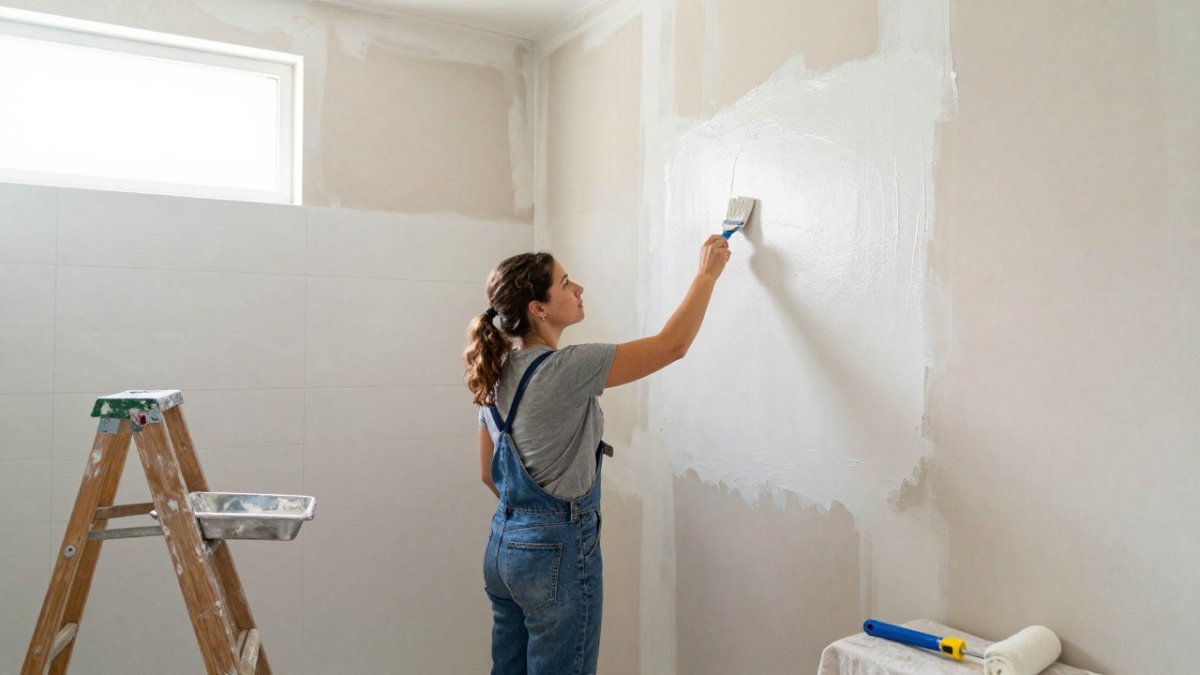
Surface preparation is where interior paint jobs succeed or fail, and it's the step cheap bids skip. The standard: furniture moved and protected, floors covered, gaps and cracks caulked, nail holes filled and sanded, glossy surfaces deglossed, and stains sealed with a stain-blocking primer.
That checklist is table stakes. What separates a crew that knows this climate from one that doesn't is how they handle moisture, sheen, and cure time.
The Prep Sequence, Step by Step
A disciplined crew works in this order, and you can ask any contractor to walk you through it:
- Protect and clear. Furniture moved to the center or out of the room, floors covered, outlets and switch plates removed rather than taped around.
- Repair. Nail holes and dents filled with spackle, cracks and gaps caulked with paintable caulk, and any loose or peeling paint scraped back to a sound edge.
- Sand and degloss. Patched areas sanded smooth and feathered; glossy surfaces scuffed so the new coat can bite.
- Clean. Dust and grease removed, because paint won't adhere to either.
- Prime. Bare drywall, patched areas, and stain-prone spots get a primer coat. Cabinets and trim get a bonding primer.
- Apply. Two finish coats, cut in first, then rolled or sprayed.
- Inspect and touch up. A walkthrough under good light before the crew packs up.
If a crew starts rolling without sanding or priming, adhesion suffers and peeling follows. Ask every contractor to describe their prep steps in writing, then hold them to it.
Why Humidity Changes the Rules Here
Coastal humidity trips up out-of-town crews. Paint needs to cure, not just dry, and high humidity slows that process. Practical implications:
- Allow longer recoat windows. A product that dries in hours in dry air may need more time before a second coat; rushing traps solvent and causes adhesion problems.
- Watch the dew point. Painting early, before humidity climbs, is common practice for rooms with poor ventilation.
- Ventilate. Fans and open windows (when weather allows) help cure and reduce odor.
Sheen and Product Choices That Fit the Rooms
Sheen is a decision, not an afterthought. A common pattern in coastal homes:
- Bathrooms and kitchens, satin or semi-gloss on walls for washability and moisture resistance; a mold-resistant bathroom product where ventilation is limited.
- Hallways and kids' rooms, satin or eggshell for scrubbability without a high shine.
- Living rooms and bedrooms, matte or eggshell for a softer look; matte hides wall imperfections but cleans less easily.
Ask what product line and sheen the contractor plans to use, and whether a low-VOC or zero-VOC option is available if anyone in the home has sensitivities. Most major manufacturers publish VOC data on the product data sheet, and a professional should be able to hand you that sheet.
How Long Does Interior Painting Take?
A single average room typically takes one to two days including prep and two coats, while a whole-house interior often runs several days to a week or more depending on size, ceiling height, and cabinet work.
The bigger question is scheduling reliability. Ask for a start date, a daily work window, and a completion target in writing.
Questions to Ask a Painting Contractor Before You Hire
Ask these before any deposit changes hands:
- Are you licensed and insured, and can you provide the certificate?
- Who will actually be on site, your employees or subcontractors?
- What exactly does your written scope include and exclude?
Conclusion
The hardest part of hiring interior painters isn't finding names. It's finding a company that defines the work before it starts, so you're not managing surprises from day one. LMJ Bright Painting Services was built for exactly that: a free smart cost estimator, room-by-room planning, in-person verification before final pricing, and a written scope before scheduling or payment. Build a free estimate and see the scope before you commit.
Frequently Asked Questions
How much do interior painting contractors in Clearwater charge?
Pricing depends on square footage, ceiling height, prep work, and paint quality. Most contractors price per room or per project after an in-person walkthrough. Expect an estimate to break out labor, materials, and prep separately. LMJ Bright Painting Services offers a free smart interior painting cost estimator and verifies the scope in person before final pricing, so the number you receive reflects your actual walls rather than a phone guess.
What should an interior painting estimate include?
A complete interior painting estimate should list rooms and surfaces, prep steps such as patching and sanding, primer and paint brands with sheen, number of coats, protection of floors and furniture, and cleanup. It should also state the payment schedule and warranty. Ask whether the price is fixed or subject to change after work begins. A written scope provided before scheduling or payment prevents the hidden-fee surprises homeowners complain about most.
How long does interior painting take for a typical Clearwater home?
A single bedroom usually takes one to two days including prep and drying. A full three-bedroom interior often runs four to seven working days, depending on drywall repairs, cabinet work, and how many colors are involved. Humidity and afternoon storms can extend dry times, so a contractor should build that into the schedule. Ask for a written day-by-day plan before work starts so you can plan around furniture and family routines.
What questions should I ask a painting contractor before hiring?
Ask who will actually be on site, whether the crew is employees or subcontractors, and who supervises. Request proof of license and insurance, a written scope, and a warranty in writing. Ask how change orders are handled and what happens if hidden damage appears. Also ask for recent local references and photos of similar interiors. Clear answers to these questions separate organized contractors from those who improvise once the job begins.
What interior paint preparation should a contractor do before painting?
Proper interior paint preparation includes moving and covering furniture, removing outlet covers and hardware, patching holes, caulking gaps, sanding glossy surfaces, and cleaning dust and grease. Cabinets need deglossing and often a bonding primer to stop peeling. Walls should be checked for moisture before any paint goes on. Ask the contractor to walk you through each prep step in writing, because skipping prep is the main reason interior paint fails early.