 Comparison
Professional Interior Painting vs DIY Cost: 2026 Guide
Table of Contents
- Professional Interior Painting vs DIY Cost: The Full Breakdown
- Cost Comparison Table: Professional vs DIY
- Average Cost to Paint Interior of House: Material vs Labor
- How Long Does It Take to Paint a Room
- DIY Painting Supplies List and Hidden Costs
- Professional vs DIY Paint Finish Quality: What You Actually Get
- ROI and Long-Term Value: When Professional Painting Pays Off
- Common Painting Mistakes That Cost More Than Professional Service
- Frequently Asked Questions
Last Updated: October 2, 2026
Professional Interior Painting vs DIY Cost: The Full Breakdown
When you're staring at tired walls and wondering whether to grab a roller yourself or call a professional, the decision comes down to more than just the price tag. Professional interior painting vs DIY cost involves hidden expenses, quality differences, and time investments that most homeowners don't account for until halfway through a project.
This guide breaks down what you actually spend and what you actually get, so you can make the right call for your situation.
Cost Comparison Table: Professional vs DIY
| Cost Category | DIY | Professional |
|---|---|---|
| Materials | $200-$600 | Included in quote |
| Equipment rental | $50-$150 | Included |
| Your time | 40-80 hours | Zero |
| Mistakes/rework | $100-$500+ | Warranty coverage |
| Total for 2,000 sq ft | $350-$1,250 | Varies by scope |
Average Cost to Paint Interior of House: Material vs Labor
Material costs for DIY painting typically run $200-$600 per room. Budget paint requires extra coats; professional-grade paint costs more but covers better and lasts longer.
Labor represents the largest expense in professional interior painting. For a 2,000-square-foot interior, professional quotes vary based on surface condition, trim complexity, and local market rates. What matters more than the raw number is what's included: surface preparation, primer application, finish coats, protection of furniture and flooring, and cleanup.
Most homeowners underestimate prep time. Patching, sanding, caulking, and protecting trim often takes longer than painting itself. Projects stretch across months, meaning weeks of disrupted living space.
Professional painters compress timelines through systems developed over years, knowing exact primer amounts, coat counts, and drying times.
How Long Does It Take to Paint a Room
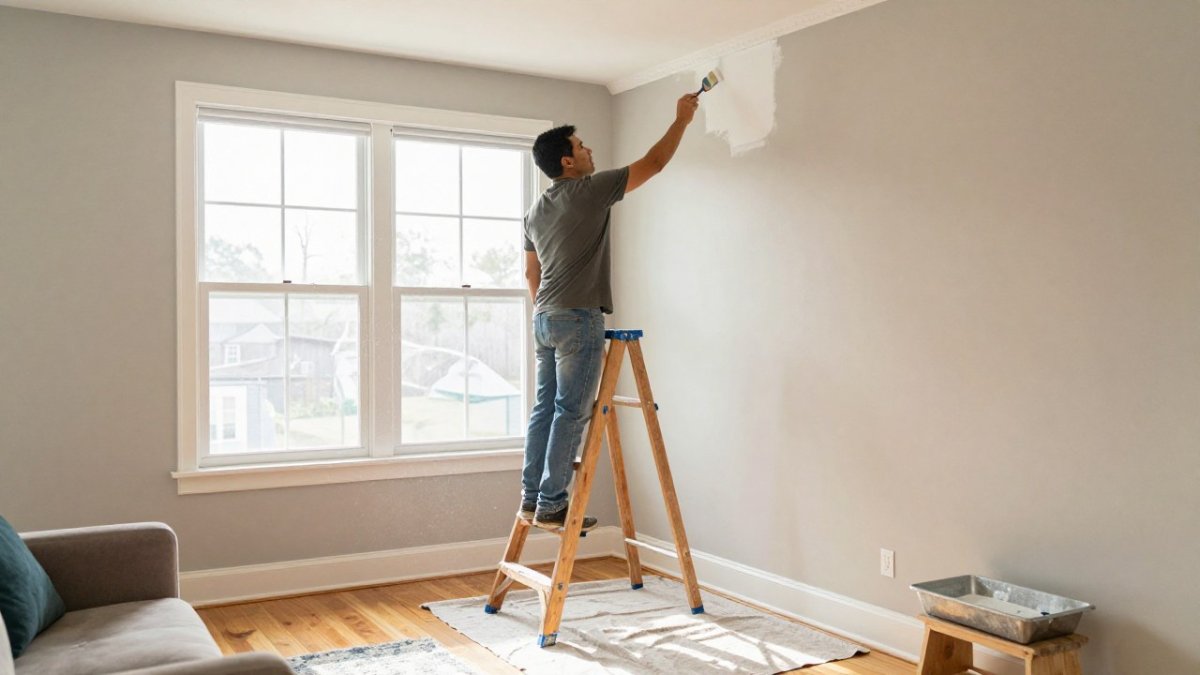
A professional completes a 12x14 bedroom in 1-2 days with prep, primer, and two coats. A 2,000-sq-ft interior takes 1-2 weeks. DIY painting takes 20-40 hours for that bedroom, but prep work often doubles or triples the total, stretching a two-week project into two months. Timeline and difficulty vary by room type and surface complexity.
DIY-Friendly Projects (Low Complexity)
Bedrooms and secondary spaces are safest for DIY. Flat walls, minimal trim, and forgiving lighting hide imperfections. A 12x14 bedroom takes 20-30 hours over 3-4 weekends; materials cost $150-$300.
Moderate Complexity (DIY Possible, Professional Recommended)
Living rooms and dining areas require consistent wet edges and clean trim work. A 20x16 room takes 40-60 hours over 4-6 weeks; materials cost $300-$500. Risks include visible lap marks, uneven trim lines, and color inconsistency.
Hallways and entryways are high-traffic zones with harsh lighting that exposes imperfections. Multiple doorways multiply cutting-in difficulty. A 100-linear-foot hallway takes 25-35 hours for DIY; professional work ensures durability.
High Complexity (Professional-Recommended)
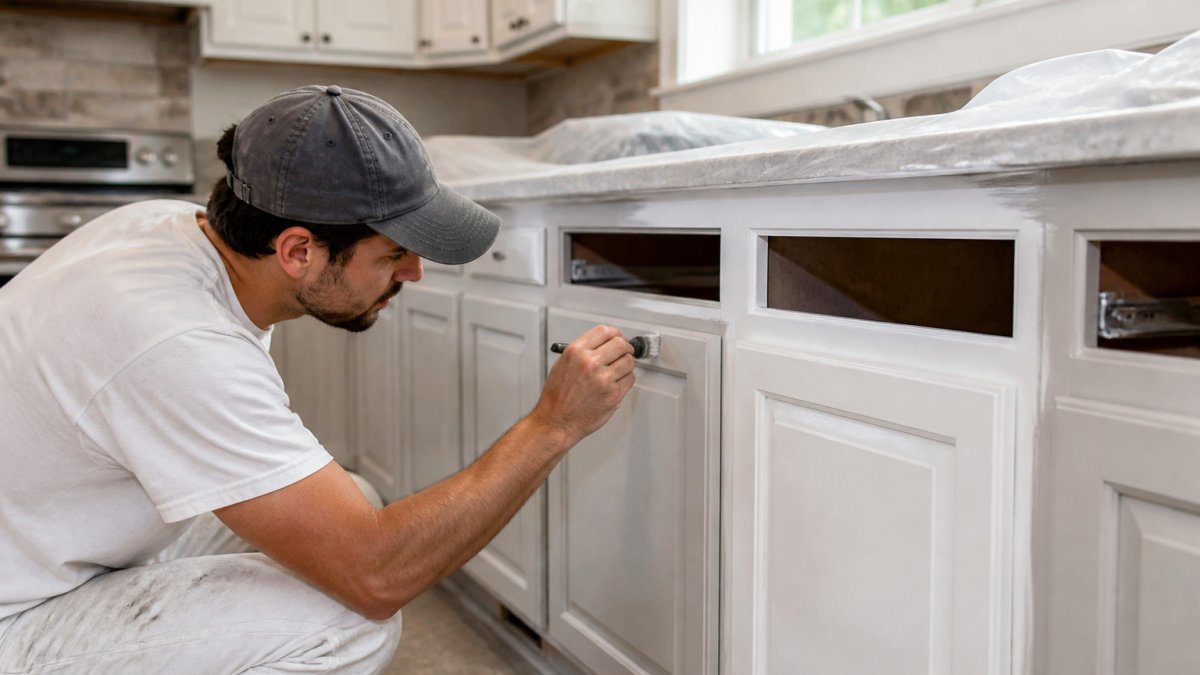
Kitchens and bathrooms require moisture-resistant paint and flawless prep. Painted cabinets demand spray equipment and technique most DIYers lack.
Ceilings are physically demanding and mistakes are highly visible. A 2,000-sq-ft home with 9-ft ceilings requires 2,000+ sq ft of overhead work.
High, vaulted, and cathedral ceilings require professional work. Equipment rental costs $200-$500/day; DIY takes 50-80 hours versus 3-4 days professional.
Trim work (crown molding, baseboards, shelving, frames) requires precision. Glossy finishes show every brush mark.
Timeline Reality Check
Your space is unusable during work. A professional compresses a 6-week DIY project into 1-2 weeks. Rushing between coats or painting in poor conditions creates adhesion problems; professionals understand recoat windows and environmental conditions that DIYers often ignore.
DIY Painting Supplies List and Hidden Costs
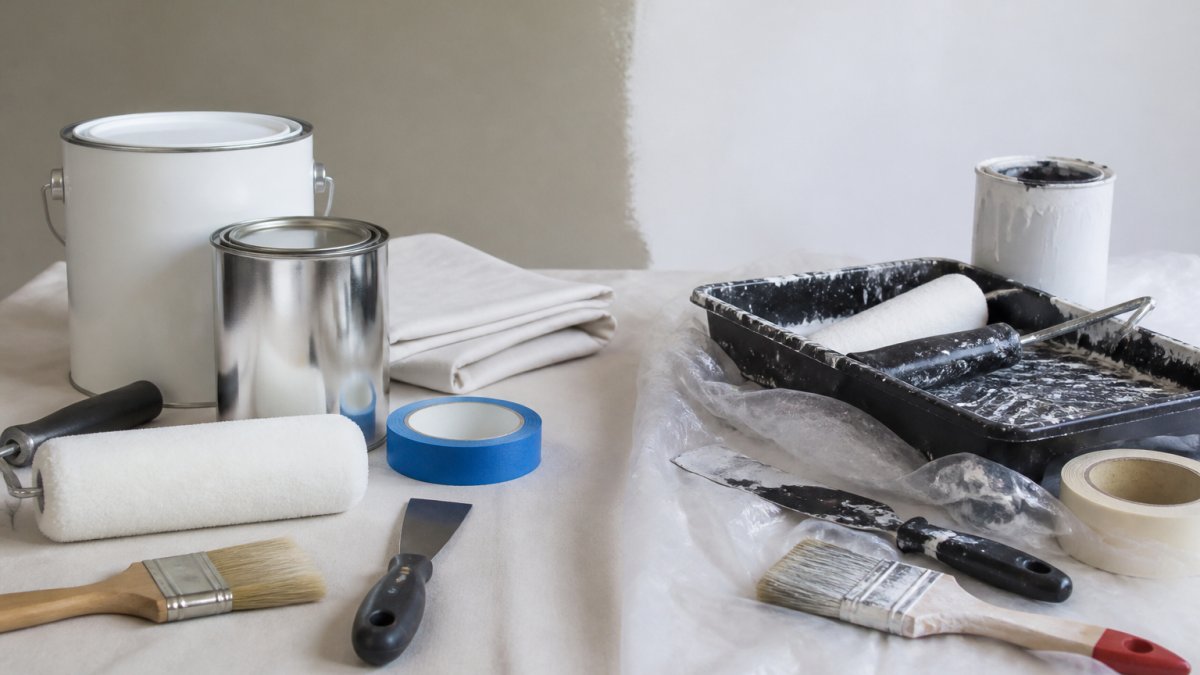
Essential supplies include paint, primer, rollers, brushes, tape, drop cloths, caulk, and sanding supplies. Hidden costs: paint quality upgrades, sprayer rental ($50-$150/day), primer, professional-grade caulk, sanding supplies, protective materials, disposal fees, and touch-up supplies. Most DIYers spend $400-$800 on materials for a full interior.
The True Cost of DIY Failure: Quantifying Rework and Waste
The biggest hidden cost is rework and failure.
Scenario 1: Skipped or Wrong Primer, Paint peels within 3-6 months.
Scenario 2: Inadequate Surface Preparation, Paint fails within weeks. Fixing requires stripping, sanding, patching, and repainting: $300-$600 materials plus 20-30 hours labor.
Scenario 3: Wrong Paint for the Space, Moisture causes mildew or peeling within 6-12 months.
Scenario 4: Equipment Damage, Renting a sprayer ($75) and damaging it costs $50-$150 extra.
The Opportunity Cost of Time
A 60-hour DIY project over 6-8 weeks costs $1,500-$3,000 in lost income (at $25-$50/hour). Professional work costing $1,500-$2,500 completes in 1-2 weeks, reclaiming your time. The net cost difference often shrinks when you factor in opportunity cost.
Real-World Rework Example
For a 2,000-sq-ft interior: DIY costs $500 materials + 70 hours ($1,750 opportunity cost) = $2,250 total. Professional costs $1,800-$2,200. DIY with one failure (skipped primer) costs $500 + $1,750 + $400 rework + $500 rework labor = $3,150, exceeding professional work by $950 and consuming 90 hours.
Calculating Your Break-Even Point
Calculate true DIY cost: Materials + Equipment + (Hours × Hourly Value) + 20% Failure Buffer. If professional cost is within 10-20% of this total, professional work is better value because it includes warranty, guarantees quality, and reclaims your time.
Professional vs DIY Paint Finish Quality: What You Actually Get
Professional painters apply primer, use proper cutting-in technique, and apply consistent finish coats, creating smooth surfaces with no visible brush marks.
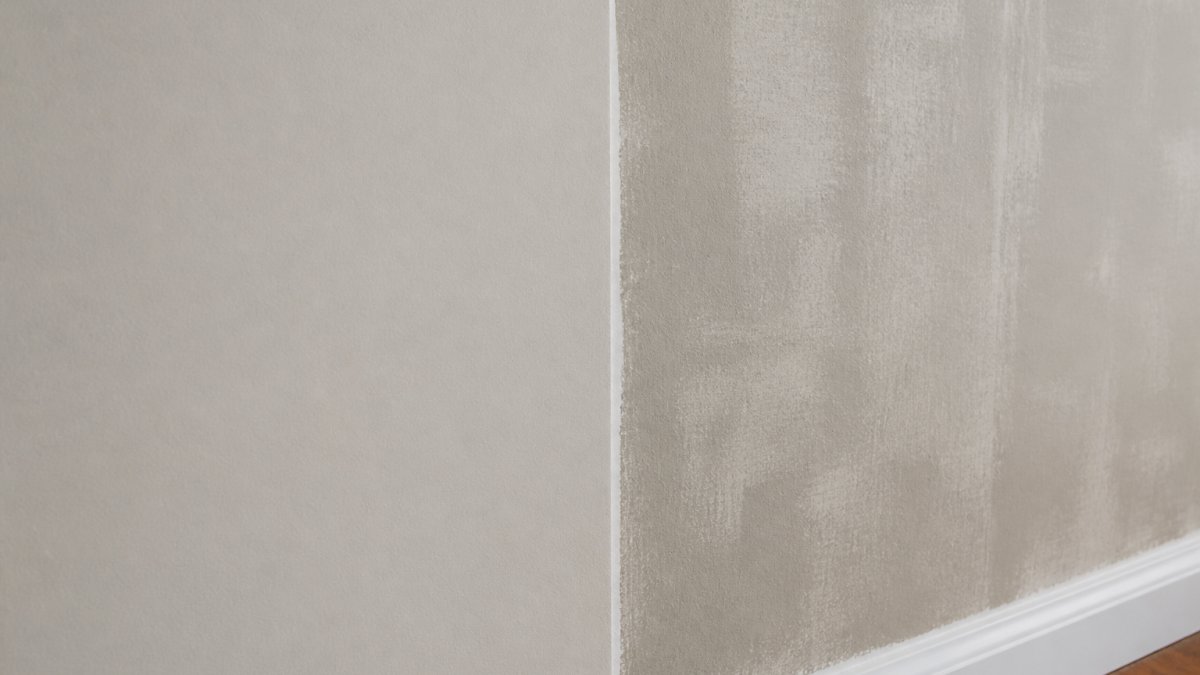
Professional preparation and primer create lasting adhesion. DIY paint over inadequate prep peels or fades faster. In high-traffic areas, professional finishes last 5-10 years; DIY work needs touch-ups or repainting within 2-3 years.
ROI and Long-Term Value: When Professional Painting Pays Off
Professional interior painting delivers ROI in three ways: durability, resale value, and time recapture.
Durability is the clearest return. Paint that lasts eight years instead of three means you're not repainting frequently.
Resale value matters if you're selling. Buyers notice professional finishes.
Time recapture is the most undervalued return.
For rental properties with tight turnaround times, professional work is essential. Landlords can't afford month-long painting projects between tenants.
Common Painting Mistakes That Cost More Than Professional Service
Mistake 2: Inadequate surface preparation. Painting over dust, loose paint, or unpatched holes creates a poor foundation.
Mistake 3: Wrong paint for the space. Bathroom and kitchen areas need moisture-resistant paint.
Mistake 5: Painting in wrong conditions. Temperature, humidity, and lighting affect paint application and drying.
Mistake 6: Insufficient coats. Budget paint requires two coats minimum; premium paint often needs only one.
These mistakes compound.
LMJ Bright Painting Services offers a free smart interior painting cost estimator and transparent, written scopes before any work begins. Get a detailed estimate that accounts for surface condition, trim complexity, and your specific needs, so you can compare the true cost of professional work against the real expense of doing it yourself. Build a free estimate and see exactly what professional interior painting costs for your space.
Frequently Asked Questions
Is it cheaper to DIY or hire painters?
DIY painting costs less upfront because you only pay for materials, not labor. However, professional interior painting often costs less when you factor in your time, equipment rental, and the risk of costly mistakes. A professional painter completes projects faster, avoids prep errors that lead to paint failure, and delivers a finish that lasts longer. For small rooms, DIY may save money; for full-house projects, professional service often provides better value.
What are the hidden costs of DIY interior painting?
Beyond paint and brushes, DIY projects require drop cloths, painter's tape, primer, surface preparation supplies, and potentially equipment rental for scaffolding or lifts. Your time, often 40-80 hours for a full house, has real value. Mistakes like improper surface prep, wrong paint grade, or poor cutting in require costly rework. If you must take time off work, that income loss adds up. Professional painters avoid these hidden costs through efficient processes and upfront scoping.
How long does it take to paint a room?
A single room typically takes 4-8 hours for a professional painter, depending on size, surface condition, and whether trim work is included. DIY painters usually need 2-3 days of work spread across a week to allow for drying time between coats. A professional completes surface preparation, primer application, finish coats, and cleanup in one coordinated timeline. Time includes caulking, sanding, taping, and protecting surfaces, tasks that extend DIY projects significantly.
Does professional painting increase home value more than DIY?
Professional interior painting delivers a higher-quality finish that buyers and renters notice immediately, potentially increasing perceived home value by 2-5%. Professional prep work, proper caulking, sanding, and primer application, ensures paint durability and appearance over time. A well-executed professional finish suggests the entire home has been maintained carefully. DIY work, if visible flaws exist, can actually reduce perceived value. For rental turnovers or resale preparation, professional painting often returns its cost through faster sales or higher rental rates.
What makes professional paint finish quality different from DIY?
Professional painters use proper surface preparation, repairing damage, sanding, caulking, and priming, that DIY often skips. They apply the correct paint grade and sheen levels for each surface, use professional-grade equipment for even coverage, and execute cutting in and roller techniques that eliminate visible brush marks. Professionals manage recoat windows and dry time correctly, preventing adhesion problems. The result is a smooth, durable finish with consistent color and coverage that lasts years longer than typical DIY work.