 How-to
Residential Painting Services in Clearwater: What to Expect
Last Updated: November 2, 2026
Quick Summary
Residential painting in Clearwater includes surface preparation, repair work, protection of floors and furniture, and a written plan for what gets painted and what does not. Preparation, not paint, is usually the reason a job fails early, so ask for each scope itemized in writing.
- Interior painting splits into four scopes: walls, trim, ceilings, and cabinets, each with different prep demands.
- Exterior work requires pressure washing followed by a 24 to 48 hour dry-out for masonry and stucco.
- Compare bids by scope, not totals: check surfaces, coat count, prep, repairs, and payment terms.
- A large deposit before work begins is a warning sign; milestone-based payments protect you.
- Ask whether the crew is employed or subcontracted and whether the owner stays reachable.
Table of Contents
- What Residential Painting Services in Clearwater Actually Include
- Getting a Residential Painting Estimate You Can Actually Compare
- What Drives the Cost to Paint a House in Pinellas County
- How Long Does It Take to Paint a House? A Realistic Timeline
- The Painting Preparation Checklist to Ask Any Contractor For
- How to Vet a Painting Contractor Before You Sign
- Service Areas Across Clearwater and Pinellas County
- Build Your Free Estimate Before the First Walkthrough
- Frequently Asked Questions
What Residential Painting Services in Clearwater Actually Include
Residential painting services in Clearwater cover far more than rolling color onto a wall. A properly scoped residential painting project includes surface preparation, repair work, protection of your floors and furniture, and a written plan for what gets painted and what does not.
Here is the part most homeowners miss: the paint is rarely the reason a job fails early. Preparation is.
A residential painting estimate is a written breakdown of labor, materials, surface preparation, and exclusions for a home painting project.
Interior work: walls, trim, ceilings, and cabinets
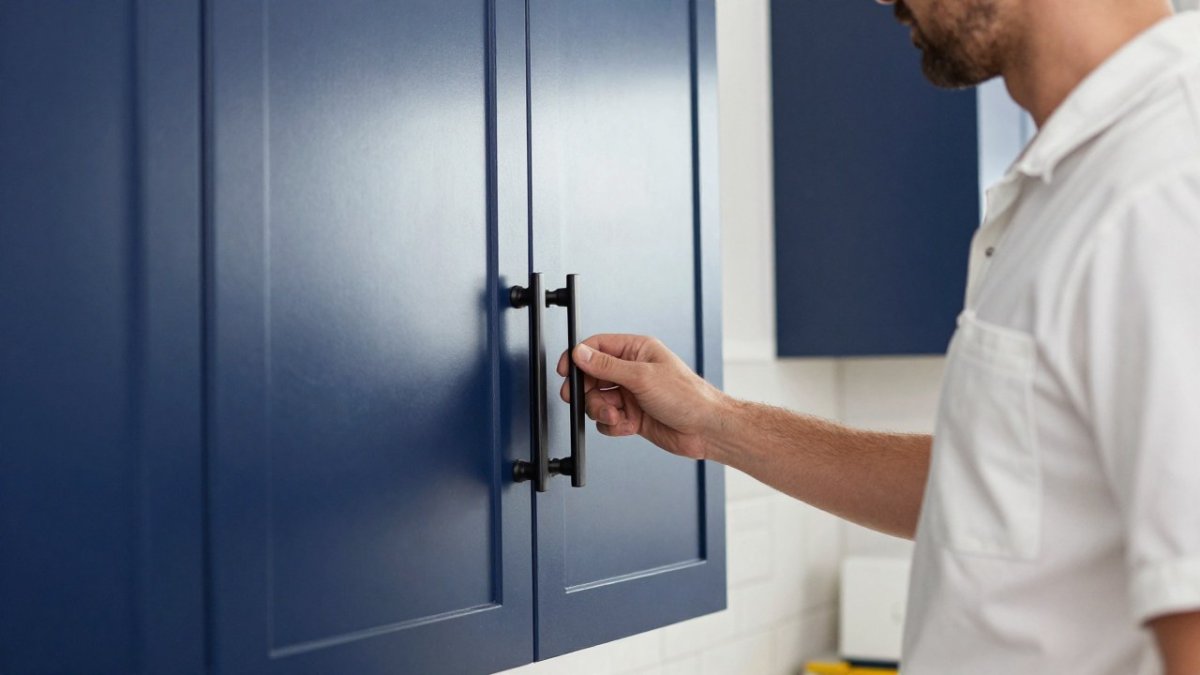
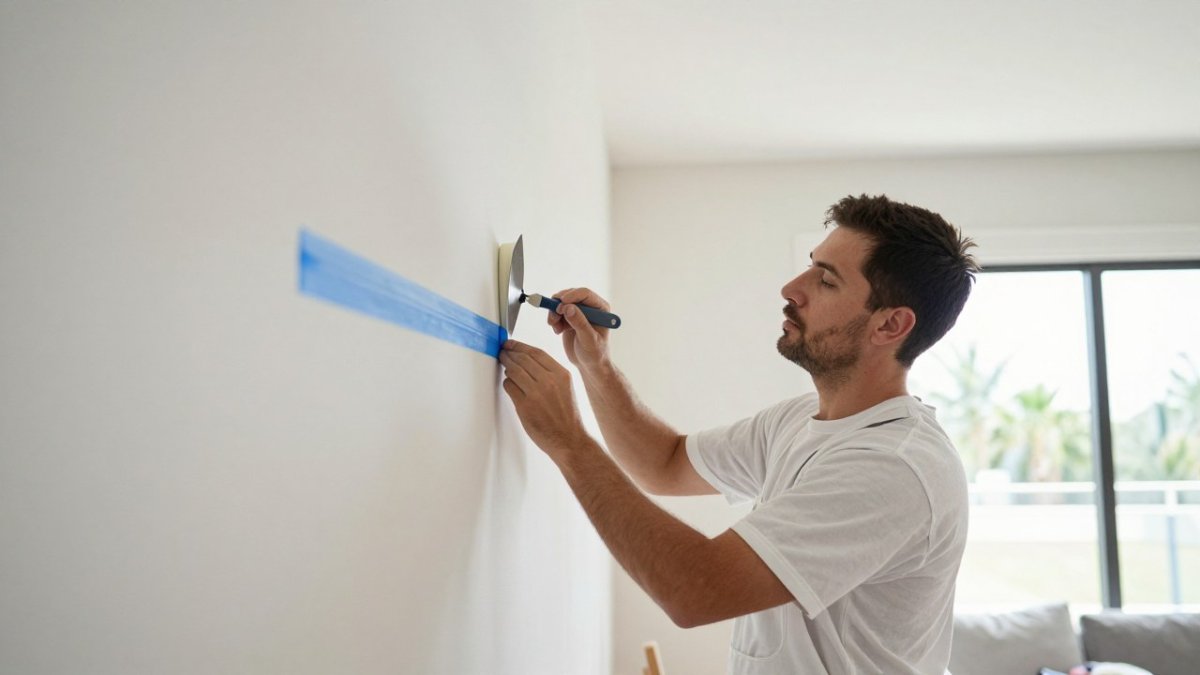
Interior painting splits into four distinct scopes, and each one carries different prep demands. Walls need patching and sanding. Trim needs caulking and a bonding primer. Ceilings need stain-blocking in moisture-prone rooms. Cabinets need degreasing and a bonding coat or the finish can peel.
Ask any contractor to separate these scopes in writing. A single lump-sum line for "interior painting" tells you nothing about what is actually being done.
For Clearwater homes, condos, rentals, and commercial spaces, scope and access can be confirmed before final pricing.
Exterior work and why Florida weather changes the plan
Exterior painting in this climate is a different discipline. Salt air, intense UV exposure, and heavy seasonal rain all shorten the life of a coating applied over a poorly prepared surface.
Exterior work in this climate typically involves cleaning, allowing the surface to dry, repairing damage, and choosing a coating suited to the conditions. Skipping the dry-out is a common mistake.
Exterior painting with site-specific preparation, access, and coating plans covers how that sequence is planned per property.
Getting a Residential Painting Estimate You Can Actually Compare
Most estimates are not comparable, and that is by design. One contractor quotes a single number with no scope. Another itemizes prep, materials, and labor. You cannot line those up side by side, so price becomes the only visible difference.
A useful residential painting estimate follows a consistent structure. Room-by-room or work-zone planning and in-person verification before a final figure help avoid surprises once work begins.
What Drives the Cost to Paint a House in Pinellas County
The cost to paint a house depends on square footage, number of coats, prep severity, surface material, access difficulty, and whether cabinets or trim are included. Two homes of identical size can land far apart because one needs stucco repair and the other does not. Pricing is quoted after an in-person scope review, but you can still understand what moves the number before anyone visits.
How each variable changes the bid
- Square footage and coat count. Paintable wall and ceiling area, not floor area, is the base unit. A second coat adds labor and material on every surface it touches. Ask whether the quote prices one coat or two; a one-coat quote on a color change is usually a false economy.
- Prep severity. Light patching and sanding is one tier; extensive crack repair, moisture damage, or failing previous coatings is another. Prep is the most common reason two bids on the same house differ by thousands of dollars.
- Surface material. Drywall, plaster, stucco, block, and wood each take different primers and different labor times. Stucco and block exteriors absorb more product and often need a masonry-appropriate coating.
- Access difficulty. Two-story walls, tight side yards, waterfront setbacks, and steep rooflines can require ladders, scaffolding, or lifts.
How to compare two bids line by line
When bids diverge, do not compare the totals, compare the scopes. Put both quotes side by side and check these items:
- Same surfaces? Confirm both quotes cover the same rooms, ceilings, trim, doors, and closets. One bid may exclude ceilings or closets.
- Same coat count and products? A named paint brand and product line lets you compare material quality.
- Same prep? Look for washing, patching, sanding, caulking, and primer as separate lines. If one quote bundles prep into a single number, ask for the breakdown.
- Same repair scope? Stucco crack repair, deck board replacement, and drywall repair should be itemized and priced separately so you can see what each bid assumes.
- Same payment terms? Milestone-based payments protect you if the schedule slips. A large deposit before work begins is a warning sign.
What a written estimate should contain
If a quote is missing any of these, ask why before you sign: what's included in interior painting estimates explains exactly what should appear so you can compare quotes line by line.
-
Square footage and number of coats per surface
-
Surface preparation method, including washing, patching, and sanding
-
Primer type and where it is applied
-
Caulking and stucco or crack repair, priced separately
-
Exclusions stated plainly
Before the walkthrough, you can also calculate preliminary planning ranges with a free interior painting cost estimator built from your room or wall measurements.
How Long Does It Take to Paint a House? A Realistic Timeline
How long does it take to paint a house? Duration depends on the size of the home, how much prep is needed, and how long each coat takes to cure.
Most interior projects follow this sequence:
- Walkthrough and protection (half day). Furniture moved and covered, floors masked wall to wall, outlets and hardware removed, and any failing caulk cut out.
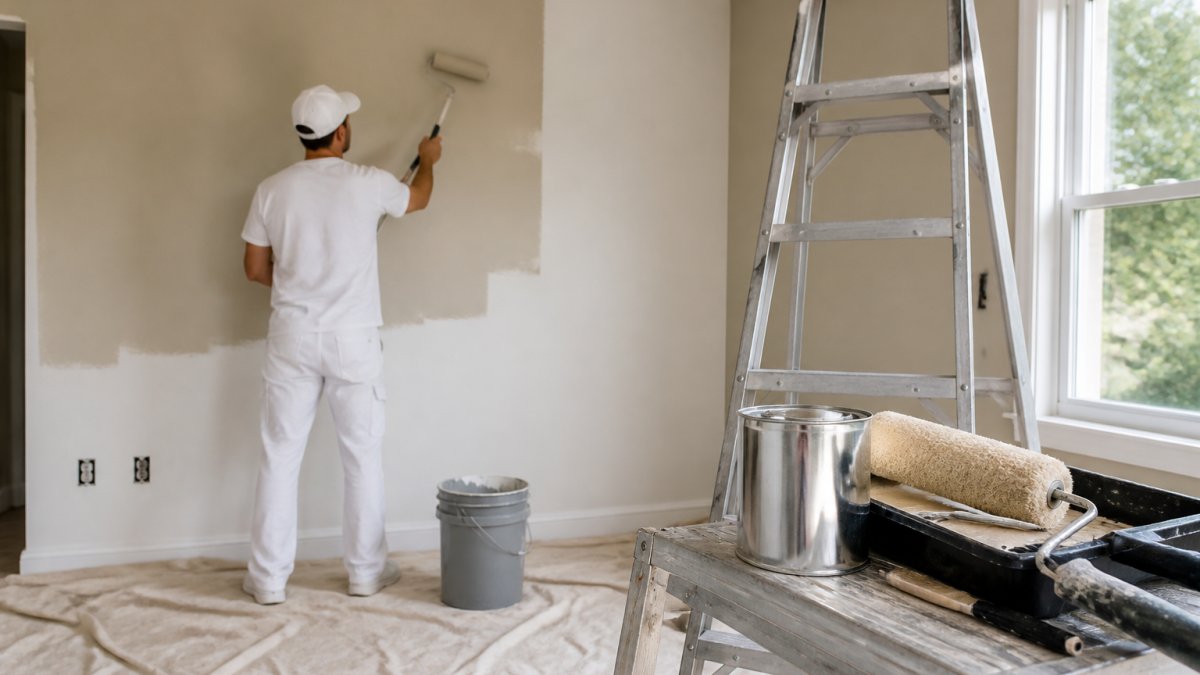
- Surface repair and patching (half to one and a half days). Holes filled, cracks opened and filled, patches sanded smooth. Patch material needs to dry before sanding, so this stage rarely compresses.
- Cleaning and priming (half to one day). Kitchens and cabinets degreased, glossy surfaces scuff-sanded, stain-blocking primer applied where needed. Primer must dry before the finish coat.
- Finish coats (one to two days). Two coats are standard; each coat needs its recoat window, typically a few hours for latex products but longer in humid conditions.
- Trim, doors, and touch-up (half to one day). Trim and doors are often painted last so they are not disturbed by wall work.
- Final walkthrough and cleanup (half day). A punch list is walked with you before the crew leaves.
Exterior work adds its own constraints. Pressure washing must be followed by a full dry-out, often 24 to 48 hours for masonry and stucco, before any coating goes on. Stucco crack repair needs to set before painting.
What homeowners can do to keep the timeline on track
- Clear wall space and remove small items before the crew arrives; moving large furniture is usually part of the scope, but decluttering is yours.
- Confirm paint color and sheen selections before day one. A color change mid-project adds a day or more.
- Keep pets and children out of work zones during coating and drying hours.
- Expect interior work to proceed room by room so you can live in the home; ask which rooms will be offline on which days.
Rental turnovers often have tight schedules, so it helps to share any hard date with your estimator up front, since it can change how the work is sequenced.
Here is the sequence most interior projects follow, with typical time ranges for each stage.
| Stage | Typical time |
|---|---|
| Walkthrough and protection | Half day |
| Surface repair and patching | Half to one and a half days |
| Cleaning and priming | Half to one day |
| Finish coats | One to two days |
| Trim, doors, and touch-up | Half to one day |
| Final walkthrough and cleanup | Half day |
| Exterior dry-out after pressure washing | 24 to 48 hours for masonry and stucco |
The Painting Preparation Checklist to Ask Any Contractor For
Preparation is where a painting job is won or lost. Ask any contractor to walk you through their process, and use this checklist to score the answer.
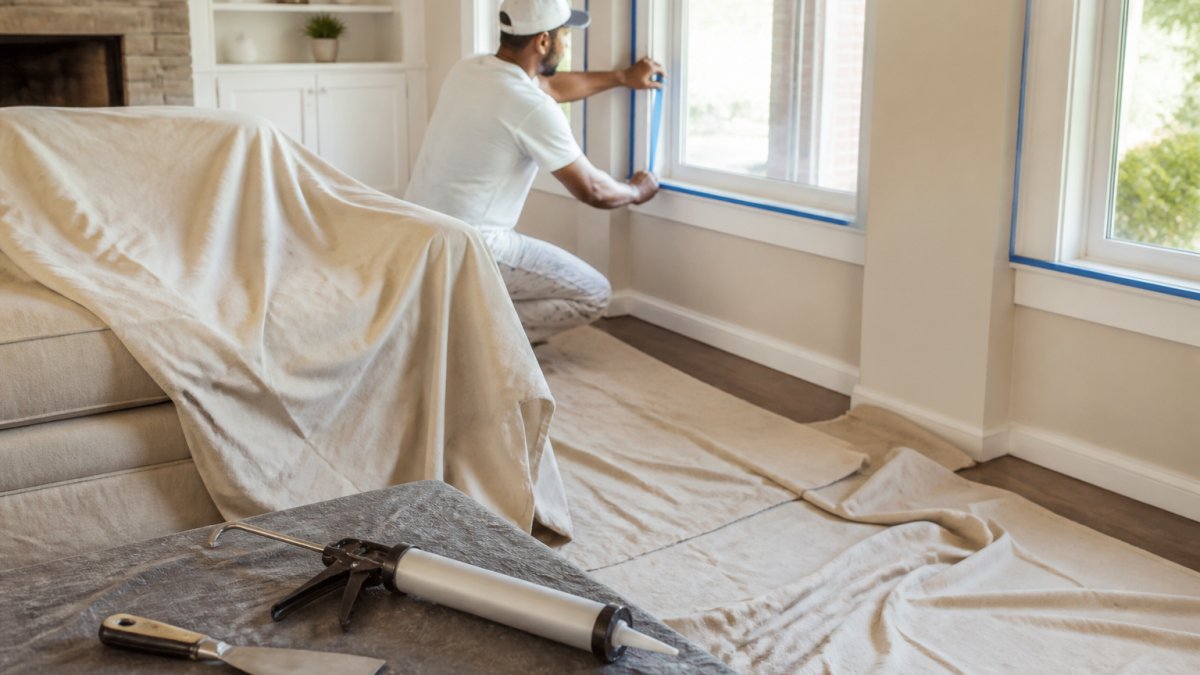
- Furniture moved and covered, floors protected wall to wall
- Outlets, switches, and hardware removed or taped
- Surfaces washed and degreased, especially kitchens and cabinets
- Cracks and holes patched, then sanded smooth
Surface repair: stucco cracks, caulk lines, and deck boards
Stucco crack repair matters for protection, since hairline cracks can let moisture in. Caulk lines around windows and doors can break down under UV exposure.
How to Vet a Painting Contractor Before You Sign
Vetting comes down to four checks: licensing and insurance, a written scope, a payment schedule tied to progress, and a clear answer on who is actually doing the work.
That last one matters more than people expect.
Watch out: a large deposit requested before any work begins is a warning sign. Milestone-based payments protect you if the schedule slips.
Reviews can help, but read them for patterns rather than star averages.
Service Areas Across Clearwater and Pinellas County
Same-day and next-day availability depends on current bookings. A phone consultation is the fastest way to confirm a date.
Build Your Free Estimate Before the First Walkthrough
The gap between a good painting experience and a bad one usually comes down to what was written down before work started.
LMJ Bright Painting Services is a veteran-owned company offering room-by-room planning, a free smart interior painting cost estimator, in-person verification before final pricing, and a written scope provided before scheduling or payment.
Tell us what you would like painted to get started.
Frequently Asked Questions
How much do residential painting services cost?
Pricing depends on square footage, ceiling height, how much surface repair is needed, and whether you choose interior or exterior work. Two homes the same size can land far apart if one needs stucco crack repair and the other only needs a recoat. Ask for an itemized residential painting estimate that separates labor, materials, and prep. LMJ Bright Painting publishes pricing on its website and verifies the scope in person before finalizing a number.
How long does it take to paint a house interior?
Timelines depend on the size of the project, how much prep is needed, and how long each coat takes to cure. Cabinet repainting adds time because doors and drawers need to dry flat between coats. Ask your contractor for a written schedule that names the start date, the drying windows, and the final walkthrough, so you know how long does it take to paint a house before work begins.
What should I ask a painting contractor before hiring?
Ask who will physically be on site, whether the crew is employees or subcontractors, and what the written scope covers. Request a description of their preparation process, and confirm the payment schedule before you sign. LMJ Bright Painting is a veteran-owned company, and you can reach the owner directly by phone and message.
Should I hire a painter for interior or exterior work first?
Consider exterior work first in many cases, since sun and salt air break down exterior paint and failing caulk or cracked stucco can let moisture into walls. Fixing the exterior first also keeps prep dust and pressure washing away from interior work.
Most painting problems trace back to a scope nobody wrote down. If you want a project defined before the first brush touches a wall, get started with LMJ Bright Painting Services and build a free estimate that tells you exactly what is included.