 How-to
What's Included in Interior Painting Estimates
Table of Contents
- What's Included in Interior Painting Estimates
- Interior Painting Estimate Breakdown: Line-by-Line
- Interior Painting Estimate Checklist: Inclusions and Exclusions
- How to Compare Painting Estimates Fairly
- Using a Painting Estimate Template to Stay Organized
- Estimate Validity, Deposits, and Payment Terms
- Frequently Asked Questions
Last Updated: October 11, 2026
What's Included in Interior Painting Estimates
Interior painting estimates are detailed breakdowns of labor, materials, and preparation work required for your project.
The core components of any solid estimate fall into three buckets: labor costs tied to painter expertise, material and paint expenses, and surface preparation work.
Most homeowners focus only on the final number. That's backwards. The number only makes sense when you understand what's inside it.
Labor and painter expertise
Labor typically represents 60-70% of your total project cost. This covers the painter's time, skill level, and the complexity of your specific job.
What drives labor costs:
- Painter experience level, A journeyman with 10 years of cabinet work costs more than a general painter.
- Ceiling height and accessibility, Standard 8-foot ceilings move faster than 12-foot vaulted ceilings or rooms requiring scaffolding
- Surface condition, Walls in good shape take 4 hours per room. Walls with damage, water stains, or texture issues take 8-12 hours because of repair and sanding time
- Trim and detail work, Baseboards, crown molding, and door frames require hand-painting and masking. More trim means more labor hours
- Number of coats, One coat is faster than two. Two coats are faster than three. Your painter should specify how many coats the job requires based on color change and paint quality
A professional estimate breaks down labor by room or work zone. You should see estimated hours and an hourly rate, or a flat rate with a time window. If your painter says "labor is $X" with no detail, that's a red flag.
Paint and material costs
Paint quality ranges widely. Budget paint at a big-box store costs $15-25 per gallon. Premium contractor-grade paint runs $35-60 per gallon. The difference shows in coverage, durability, and finish quality.
Material costs include:
- Paint quantity, Calculated by square footage and coverage rate (typically 300-400 sq ft per gallon depending on surface texture)
- Paint brand and sheen, Flat, eggshell, satin, semi-gloss, and gloss finishes all cost differently and perform differently in kitchens and bathrooms
- Primer, Required for color changes, stained walls, or new drywall. Some estimates bundle primer into the paint cost; others list it separately
- Supplies, Brushes, rollers, drop cloths, painter's tape, caulk, spackling compound, sandpaper, and thinners
- Surface protection, Plastic sheeting for furniture, floor protection, and fixture covers
Your estimate should itemize the paint brand, coverage rate, and number of gallons needed. If it just says "paint and materials: $X," you don't know if they're using quality paint or the cheapest option available.
Surface preparation and repairs
Prep work is where quality separates from quick jobs. It's also where most homeowners get blindsided by change orders.
Prep includes:
- Cleaning, Dust, grease, and grime removal (especially in kitchens)
- Patching and spackling, Filling nail holes, cracks, and dents
- Sanding, Smoothing rough patches, feathering edges, and dulling glossy surfaces so new paint adheres
- Caulking, Sealing gaps between trim and walls or at inside corners
- Priming stained or damaged areas, Blocking water stains, smoke damage, or marker marks
- Fixture and furniture removal or protection, Moving items out of the way or covering them
A solid estimate lists what prep work is included as standard and what triggers extra charges. For example: "Standard prep includes patching holes up to 2 inches and light sanding.
This protects both you and your painter. You know what to expect. Your painter isn't absorbing surprise work that eats into their profit.
Interior Painting Estimate Breakdown: Line-by-Line
Understanding a real estimate makes comparison shopping possible. Let's walk through what a typical breakdown looks like and what each line means.
Sample estimate for a typical room
Here's a realistic example for a 12x14-foot bedroom with 9-foot ceilings, two windows, one door, and standard baseboards.
Room dimensions: 12x14 feet, 9-foot ceiling Paintable square footage: 548 sq ft (walls + ceiling) Color change: Yes (requires primer) Condition: Good (minimal patching needed)
| Line Item | Quantity | Unit Price | Total |
|---|---|---|---|
| Labor (painting + prep) | 12 hours | Hourly rate | Labor subtotal |
| Primer (1 coat) | 1.5 gallons | Per gallon | Primer cost |
| Paint (2 coats, quality brand) | 2.5 gallons | Per gallon | Paint cost |
| Supplies (tape, drop cloths, caulk, sandpaper) | 1 job | Flat rate | Supplies subtotal |
| Patching and minor repairs | 1 job | Flat rate | Repair subtotal |
| Fixture removal/protection | 1 job | Flat rate | Protection subtotal |
| Total Estimate | Total |
This format lets you see exactly what you're paying for. No vague "labor and materials" lump sum. No mystery charges.
Cost per square foot and cost per room
Cost per square foot varies by job complexity, paint quality, and local labor rates. A simple repaint of a well-maintained room runs lower. A room with repairs, texture changes, or high ceilings costs more.
Cost per room depends on size and condition:
- Small bedroom (10x12, 400 sq ft): Budget for 8-10 labor hours
- Master bedroom (16x18, 600+ sq ft): Budget for 12-16 labor hours
- Living room or kitchen (larger, more trim): Budget for 16-20+ labor hours
Your painter should be able to tell you their cost per square foot for standard work and explain how your specific room differs from that baseline. If they can't, they haven't done the math.
Interior Painting Estimate Checklist: Inclusions and Exclusions
Before you sign an estimate, verify what's in and what's out. This is where miscommunication costs money.
What's typically included
Standard inclusions in most professional estimates:
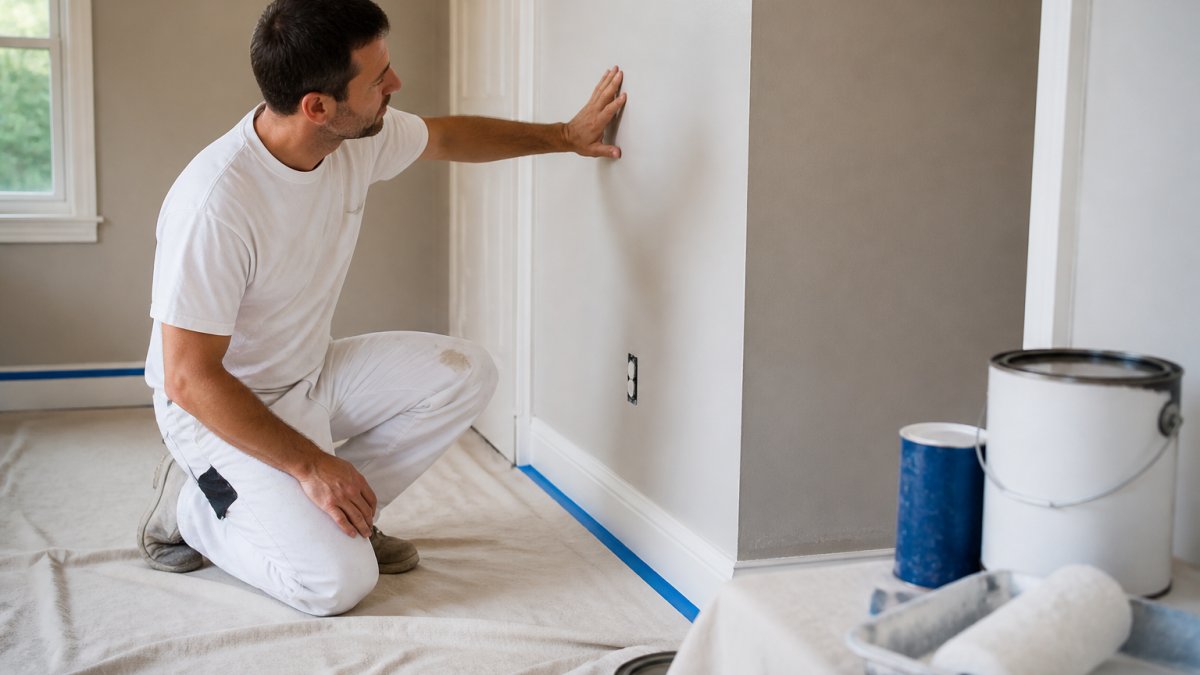
- Labor for surface prep (cleaning, light sanding, patching small holes)
- Primer application (1 coat for color changes or new surfaces)
- Paint application (number of coats specified in the estimate)
- Painter's tape and drop cloth protection
- Basic cleanup at the end of each day
- Removal and reinstallation of outlet covers, switch plates, and light fixtures
Ask your painter to confirm all of these. Don't assume.
What's usually excluded
Watch for these common exclusions, they're often where change orders appear:
- Cabinet painting (if not specified as part of the interior painting estimate)
- Wallpaper removal
- Major drywall repair (large holes, water damage requiring replacement)
- Texture removal or texture application
- Popcorn ceiling removal
- Crown molding installation or repair
- Moving furniture or large appliances
If any of these might apply to your project, ask whether they're included or quoted separately. Don't let them surprise you mid-project.
Change orders and unexpected conditions
A change order is a written agreement to add work beyond the original scope. It should include a description of the new work, additional cost, and impact on timeline.
Common triggers for change orders:
- Hidden damage, Removing paint reveals water damage, mold, or structural issues
- Scope creep, "While you're here, can you paint the hallway too?"
- Material upgrades, Switching from budget paint to premium paint mid-project
- Condition surprises, Walls that looked fine until prep revealed extensive damage
- Texture or finish changes, Deciding mid-project that you want a different sheen or color
Your estimate should include language like: "Unforeseen conditions (water damage, mold, structural issues) will be documented and quoted separately before work proceeds."
This protects you both. Your painter doesn't absorb surprise costs. You're not blindsided by charges you didn't authorize.
How to Compare Painting Estimates Fairly
Getting three estimates is standard. Comparing them fairly requires more than just looking at the bottom number.
Verifying scope and project details match
Before comparing prices, confirm all three estimates cover the same work:
- Same rooms or square footage
- Same number of paint coats
- Same primer application (or lack thereof)
- Same paint brand and quality tier (don't compare a budget estimate to a premium one)
- Same prep work included
- Same trim, doors, and fixtures included or excluded
- Same timeline and scheduling assumptions
If one estimate includes cabinet painting and the others don't, the numbers aren't comparable. If one uses premium paint and another uses builder-grade, the price difference doesn't reflect quality, it reflects material choice.
Identifying hidden costs and gaps
Compare the estimates line by line:
- Labor breakdown, One painter might estimate 10 hours; another 15. Ask why. The longer estimate might reflect more thorough prep.
- Material costs, Are they using the same paint? Same primer? Supplies cost differently based on quality.
- Prep assumptions, Does one estimate assume minimal patching and the other account for repairs? That's a real difference.
- Exclusions, One estimate might exclude fixture removal; another includes it. That's a $50-100 difference.
- Timeline, Faster completion might cost more if it requires more labor per day or weekend work.
The lowest estimate isn't always the best deal. The estimate that matches your actual scope and uses quality materials is.
Using a Painting Estimate Template to Stay Organized
If you're coordinating multiple estimates, a simple template keeps you organized and makes comparison easier.
Create a spreadsheet with these columns:
- Painter/Company name
- Total estimate amount
- Labor cost
- Material cost
- Prep work included
- Paint brand and sheen
- Number of coats
Fill it in for each estimate as you receive it. This format makes gaps and differences obvious. You'll spot which painter is assuming less work, using cheaper materials, or quoting a longer timeline.
Estimate Validity, Deposits, and Payment Terms
An estimate is typically valid for 30 days. After that, material costs, labor availability, and market conditions may change. If you're not ready to commit within that window, ask for an updated estimate.
Deposit and payment terms vary:
- Many painters require 25-50% down to schedule the work and purchase materials
- The balance is due upon completion or within a specified timeframe
- Some offer payment plans for larger projects
- Warranties typically cover workmanship and paint durability per manufacturer specs
Your estimate should state:
- Deposit amount and due date
- When the balance is due (upon completion, within 5 days, etc.)
- Accepted payment methods
- Cancellation policy (can you cancel without penalty? What if the painter cancels?)
- Warranty or guarantee details
If these aren't spelled out, ask before you commit. Clarity upfront prevents disputes later.
Frequently Asked Questions
What should be included in an interior painting estimate?
A complete interior painting estimate should include labor costs, paint and materials, surface preparation (cleaning, patching, sanding), priming, the number of coats, trim and baseboards, ceilings if applicable, surface protection and drop cloths, and cleanup. It should also specify which walls, doors, and fixtures are included, the total project scope in square footage, and any additional services like fixture removal or furniture relocation. A transparent estimate breaks these items down so you understand exactly what you're paying for.
How do I compare painting estimates fairly using an interior painting estimate checklist?
Use a checklist to verify that all estimates cover the same scope. Confirm the square footage, number of rooms, surfaces included (walls, ceilings, trim, doors), surface preparation steps, paint quality and brand, number of coats, and cleanup services. Check whether estimates assume furniture removal or if that's an add-on. Ensure all quotes address the same wall condition and repair needs. When the scope matches, you can accurately compare labor rates and material costs without surprises.
What's typically excluded from a painting estimate that I might need to pay extra for?
Common exclusions include extensive wall repairs beyond patching, popcorn ceiling removal, wallpaper removal, staining or sealing, crown molding installation, cabinet painting, exterior surfaces, and structural repairs. Furniture moving, fixture removal, and protection of flooring or appliances may also be separate. Some estimates exclude primer or assume a single coat. Always ask your painter what's not covered so you can add these costs upfront if needed and avoid unexpected charges once work begins.
How long is a painting estimate valid?
Most painting estimates are valid for 30 days, though this varies by contractor. After 30 days, material costs, labor availability, and project scheduling may change, so the estimate may need to be updated. If you're comparing multiple quotes, request them within the same week so pricing is consistent. Always confirm the estimate validity date in writing before committing. If you need to delay the project, ask your painter to provide a revised estimate closer to your start date.
At LMJ Bright Painting Services, we provide a written scope before scheduling or payment. That scope details exactly what's included, what's excluded, and what triggers additional charges. We verify conditions in person before finalizing pricing, so you never get hit with surprise costs mid-project. Build a free estimate and see how transparent planning makes the difference.