 How-to
7 Steps to Paint a Rental Property on a Tight Timeline
Last Updated: November 8, 2026
Quick Summary
Rental property painting on a tight timeline works when you sequence the job around drying times instead of rushing it. Patch and prime first, allow each coat its recommended recoat window, and plan a buffer day before the move-in date.
- Paint needs time to dry and cure, so each step depends on the one before it.
- Use a written checklist before work starts so nothing gets missed once the crew is in the unit.
- Most rental units take several days, and drying time drives the schedule more than painting does.
- When time is short, paint the entry, hallway, and living room fully, then touch up the rest.
- Get a written scope before scheduling a crew, and confirm the start date in writing.
Table of Contents
- Why Tight Turnover Deadlines Make Painting Harder
- Rental Property Painting Checklist for Fast Turnovers
- How Long Does It Take to Paint a Rental Property?
- Prioritizing Rooms and Surfaces When Time Runs Short
- Hour-by-Hour Schedule for a Tight Turnover Paint Job
- Getting a Rental Property Painting Estimate Fast
- Hiring a Painting Contractor on Short Notice
- Booking Your Tampa Bay Turnover Paint Job
- Frequently Asked Questions
Why Tight Turnover Deadlines Make Painting Harder
Painting a rental property with tight timeline pressure is one of the most stressful jobs a landlord faces.
A rushed turnover has a few predictable problems:
- Walls get painted before patching and primer are fully dry
- Scuffs and nail holes show through a single thin coat
- Painters skip masking, leading to messy trim and floors
- Colors get chosen in a hurry and clash with the rest of the unit
The core challenge is sequencing. Paint needs time to dry and cure, so each step depends on the one before it.
Here is the good news. A tight schedule is manageable when you know the steps in the right order and plan around drying times.
Rental Property Painting Checklist for Fast Turnovers
A written checklist keeps a rental property painting job on track. Use it before work starts so nothing gets missed once the crew is in the unit.
Before the job starts:
- Confirm the move-out and move-in dates
- Walk the unit and note every damaged wall, ceiling, and trim piece
- Choose paint colors and finishes ahead of time
- Order enough paint, primer, and supplies for two full coats
During the job:
- Remove outlet covers and switch plates
- Patch holes and let patches dry fully
- Prime patched areas and any stained walls
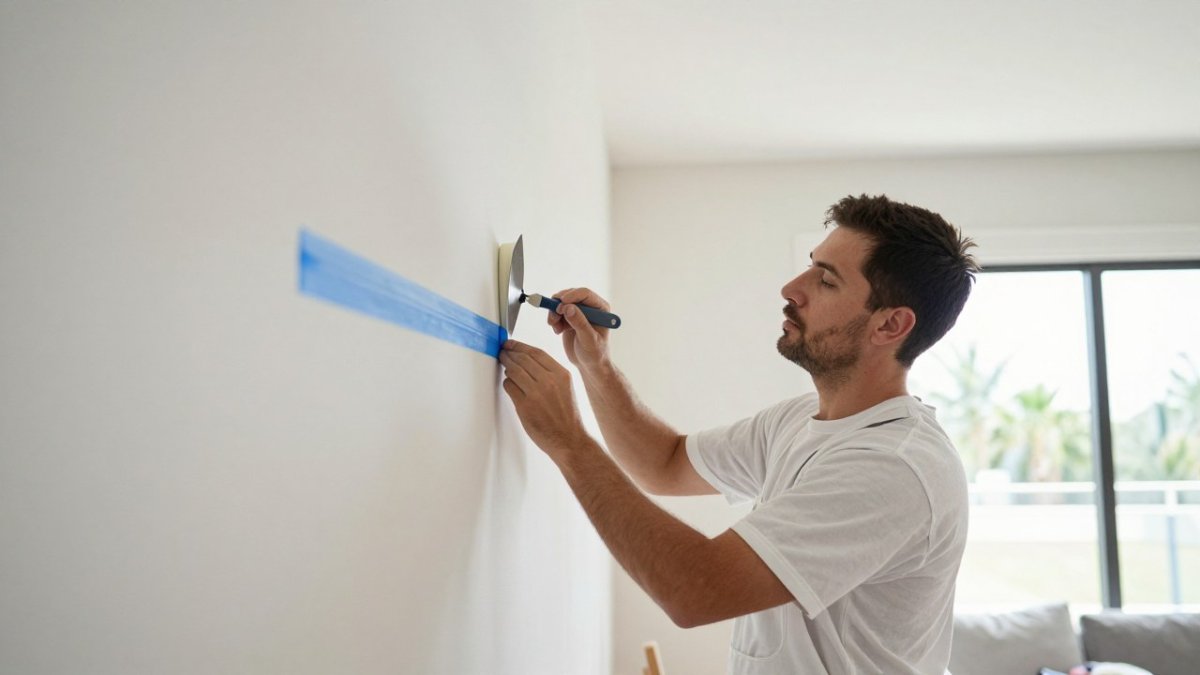
- Mask trim, windows, and floors
Before the tenant arrives:
- Remove all tape and drop cloths
- Wipe down paint splatter and fingerprints
- Walk the unit with the property manager for a final review
Keeping this list on a shared document lets the landlord, painter, and property manager see progress in real time.
How Long Does It Take to Paint a Rental Property?
A typical rental unit takes several days to paint, depending on size, condition, and how many coats are needed.
Drying time drives the schedule more than the painting itself. Latex paint often feels dry within an hour but needs longer before a second coat or heavy use.
Plan your timeline around these steps:
- Prep and patching: one day
- Priming: one day, plus drying time
- First coat: one day
- Second coat: one day after the recommended recoat time
Build in a buffer day. Unexpected wall damage or a slow drying day can push the schedule back quickly.
Prioritizing Rooms and Surfaces When Time Runs Short
When the calendar will not stretch to a full repaint, the job becomes a triage exercise.
The triage order
- Entry, hallway, and the first wall a tenant sees. Scuffs, handprints, and patched holes are most obvious here. A fresh coat on this run of wall does more for the unit's impression than repainting two bedrooms.
- Living room and kitchen walls. High traffic and high visibility. Kitchen walls near the stove often carry grease film that paint will not adhere to until it is degreased.
- Bathroom ceilings and walls with moisture staining. These are a health and habitability signal, not just a cosmetic one. Address active leaks before painting over stains, or the stain will bleed through.
- Bedrooms with heavy damage or dark colors. A dark accent wall can take three coats to cover with a light color, so budget extra time or choose a mid-tone that covers in two.
- Trim, doors, and closets. Lowest visibility per hour of labor. Clean and touch up rather than repaint when time is short.
What to skip, clean, or touch up instead of painting
- Closet interiors, utility rooms, and the inside of cabinets: clean and leave unless damaged.
- Ceilings in good condition: a magic-eraser pass on scuffs is often enough.
- Trim with minor wear: a color-matched touch-up pen hides chips in minutes.
- Walls behind furniture that will stay: low visibility, low priority.
The partial-repaint fallback
If only one day is available, paint the entry, hallway, and living room fully, then spot-prime and touch up the remaining rooms.
Sequencing that saves hours
- Paint ceilings before walls and walls before trim, so drips land on surfaces that are still getting coated.
- Cut in one room while a second painter rolls the previous room; the recoat window on the first room passes while the second is being coated.
- Batch all patching and priming in the morning so the afternoon is pure paint time.
Watch out: skipping the degrease step in a kitchen to save an hour is the most common cause of paint peeling off in sheets within a month, the labor saved is far smaller than the rework.
Hour-by-Hour Schedule for a Tight Turnover Paint Job
A timed plan only works if it is built around the products on the wall, not around a clock. The schedule below is a realistic two-day plan for a one-bedroom unit with a two-person crew, using a standard 100% acrylic latex wall paint and a water-based primer.
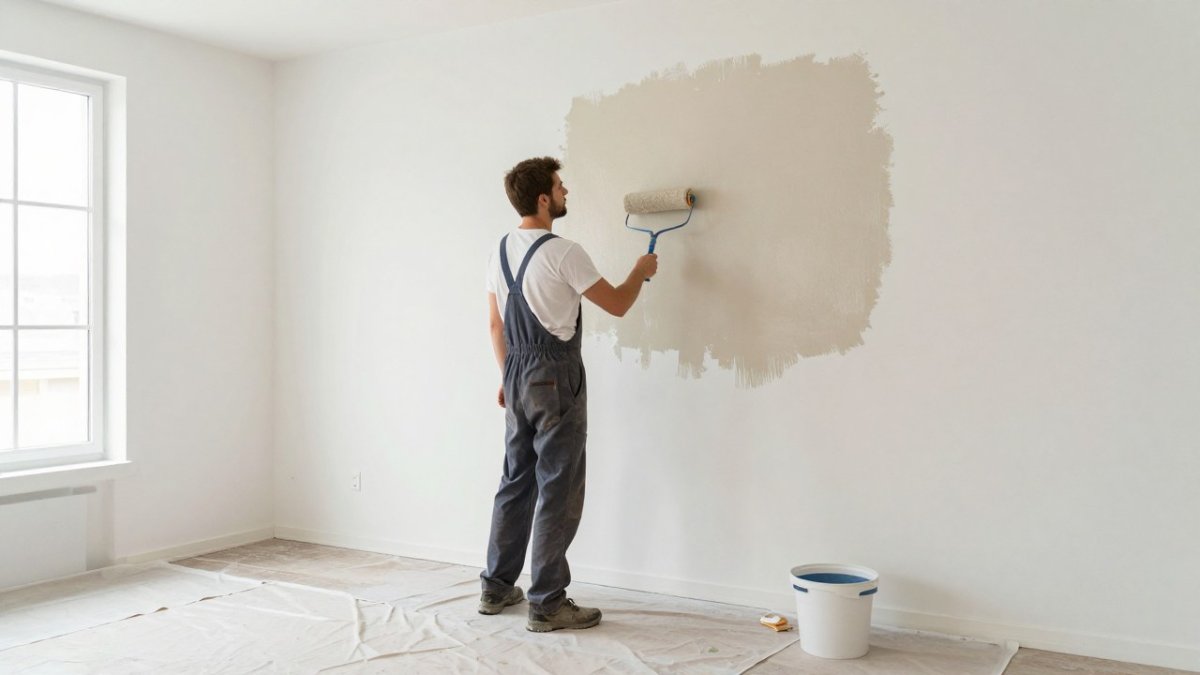
Day 1, Prep, prime, first coat
| Time | Task | Crew split | Notes |
|---|---|---|---|
| 7:00-7:30 a.m. | Stage the unit: move furniture, cover floors, set up ventilation | Both | Open windows and set box fans to exhaust air out, not in |
| 7:30-8:30 a.m. | Remove outlet covers, switch plates, hardware, and window treatments | Painter A | Bag and label every piece by room |
| 7:30-9:30 a.m. | Patch nail holes, dents, and cracks with lightweight spackle; sand smooth | Painter B | Use setting-type patch for deep holes so it dries in 20-30 minutes |
| 9:30-10:00 a.m. | Mask trim, windows, and floors; cut in ceilings | Both | Tape plus drop cloths, not tape alone |
| 10:00-11:30 a.m. | Spot-prime patches and any stained or dark walls | Painter A | Water-based primer dries to recoat in about 1 hour |
| 11:30 a.m.-12:00 p.m. | Lunch; keep fans running | Both | Confirm patches and primer are dry to the touch |
| 12:00-3:30 p.m. | First coat: one painter cuts in edges, one rolls walls | Both | Work top to bottom, one wall at a time, to keep a wet edge |
| 3:30-4:30 p.m. | Inspect coverage under raking light; touch up thin spots | Both | Raking light reveals lap marks and holidays |
| 4:30 p.m. | Stop. Do not start the second coat until the label's recoat window has passed | , | Most wall paints need 2-4 hours before recoating |
Day 2, Second coat, cleanup, walkthrough
| Time | Task | Crew split | Notes |
|---|---|---|---|
| 7:00-7:30 a.m. | Recheck dryness; light sand any rough spots from the first coat | Painter B | A quick pass with 220-grit keeps the finish smooth |
| 7:30-10:30 a.m. | Second coat, same cut-in-and-roll split | Both | Full second coat, not spot touch-ups, for an even sheen |
| 10:30-11:30 a.m. | Paint trim and doors if in scope | Painter A | Use a separate enamel or trim paint with its own recoat time |
| 11:30 a.m.-12:30 p.m. | Pull tape at a 45-degree angle while paint is still slightly soft | Painter B | Pulling tape late can chip cured paint |
| 12:30-1:30 p.m. | Reinstall fixtures, covers, and hardware; wipe splatter | Both | Check every outlet and switch plate against the labeled bags |
| 1:30-2:30 p.m. | Final walkthrough with the property manager | Both | Photograph each room for the move-in file |
| 2:30 p.m. onward | Ventilate and let the unit cure before heavy use | , | Most wall paints are dry to touch in about an hour but reach full cure in 7-14 days |
How to compress this schedule without cutting corners
- Add a third painter on Day 1 to run a second rolling line in a separate room. Two rollers on one wall is slower, not faster, because the wet edge dries before the second pass.
- Use a sprayer only if the unit is empty and fully masked. Spraying saves hours on ceilings and doors but adds 2-3 hours of masking and cleanup, so it rarely pays off on a single small unit.
- Choose a paint labeled for a 2-hour recoat instead of the standard 4-hour window. That single product choice can pull the second coat into the same day.
- Do not schedule the second coat by the clock alone. Humidity, temperature, and coat thickness all extend dry time; a cool, humid unit can double the label window.
Watch out: a crew that starts the second coat before the first is fully dry will trap solvent, and the finish can blister or peel within weeks, a rework that costs more than the day it saved.
Getting a Rental Property Painting Estimate Fast
A quick, accurate estimate helps you lock in a crew before the deadline gets close. Gather the details upfront so a painter can price the job without delay.
Have these details ready:
- Number of rooms and approximate wall square footage
- Photos of walls, ceilings, and trim
- Move-out and move-in dates
- Paint colors and finish preferences
You can also use the free interior painting cost estimator on the LMJ Bright Painting Services website to plan the job from your room measurements before an in-person review.
For a quote, Tell us what you would like painted and request an estimate through the business's website.
Hiring a Painting Contractor on Short Notice
Short notice means you need a crew who can start fast and commit to your dates. Many contractors book weeks ahead, so reach out as soon as you know your turnover date.
When you call, ask these questions:
- Can you start within the next few days?
- How many painters will work on the unit?
- Will you provide a written scope before scheduling?
- How do you handle drying and recoat times?
A written scope protects both sides. It should list the rooms, the surfaces, the number of coats, and the cleanup. Review it before you sign or pay anything.
Ask how any painter plans to meet the deadline without cutting drying time.
Booking Your Tampa Bay Turnover Paint Job
Rental turnovers leave little room for error, so plan the booking as carefully as the paint job itself. LMJ Bright Painting Services offers Rental Property Painting for landlords and property managers preparing units for new occupancy.
Before you book, use the rental repaint planning checklist to organize surfaces, access, colors, and the final walkthrough. If you want a timed plan to follow, the rental property turnaround schedule breaks the job into steps you can share with your crew.
Once you have your dates and scope, ask for a written estimate and confirm the start date in writing. A reliable crew and a clear plan are the best tools for hitting a tight move-in date.
Frequently Asked Questions
How long does it take to paint a rental property?
The time to paint a rental depends on its size, wall condition and how many coats are needed. Larger units or heavy patching take longer. Prep usually consumes a large share of the schedule, so budget time for patching, cleaning and masking before the first roller load. Ask any contractor for a day-by-day estimate tied to your specific square footage and move-in date.
Is two days enough for paint to dry before a tenant moves in?
Two days is often enough for latex wall paint to be dry to the touch and safe for light use, but full cure takes longer. Most paints recommend two to four hours between coats and several days to a few weeks to reach full hardness. Choose a fast-drying, low-odor product, keep the unit ventilated with fans and windows open, and avoid heavy furniture against freshly painted walls until the finish has cured.
How can you hire a painting contractor on short notice?
Contact several painters at once and tell them your move-in date and scope up front. Ask whether they can start within your window, how many crew members they will send, and whether they will provide a written scope before scheduling. Confirm payment terms and a contingency plan for delays.
What should landlords prioritize when painting between tenants?
Start with the most visible and high-traffic areas: entryways, hallways, kitchens and the main living room. Repaint walls with scuffs, marks or stains next, then trim and doors if time allows. Address ceilings only where water stains or peeling appear. If the schedule is tight, a single durable neutral coat on the most visible surfaces gives a move-in-ready result while bedrooms and secondary rooms can be touched up later.