 How-to
Rental Property Painting Turnaround Schedule: A Step-by-Step Plan
Table of Contents
- Understanding Your Rental Property Painting Turnaround Schedule
- How Long Does It Take to Paint an Apartment: Timeline Breakdown
- Best Paint for Rental Properties: Durability and Quick-Dry Options
- Rental Property Turnover Checklist: Pre-Painting Inspection and Preparation
- Coordinating Vendors and Scheduling for Minimal Vacancy
- Managing the Painting Process: Surface Preparation and Execution
- Legal Considerations: Security Deposits and Deductible Painting Costs
- Budgeting and Cost Estimation for Rental Property Painting
- Frequently Asked Questions
Last Updated: October 2, 2026
Understanding Your Rental Property Painting Turnaround Schedule
A painting turnaround schedule is a structured timeline mapping every step from inspection through final touch-ups, minimizing vacancy while maintaining quality.
Property managers often underestimate preparation time, surface prep, drying, and inspection consume 60% of total project duration. Skipping planning causes mid-project damage discovery, peeling paint, trade conflicts, and extended vacancy. A clear painting turnaround schedule coordinates vendors, sets realistic timelines, and keeps everyone accountable.
How Long Does It Take to Paint an Apartment: Timeline Breakdown
Most standard apartment interiors take 3 to 7 business days from start to move-in ready, depending on unit size and condition.
The timeline breaks down like this:
Day 1: Inspection and Prep
- Walk-through to identify damage, stains, and areas needing extra coats
- Remove fixtures, outlet covers, and hardware
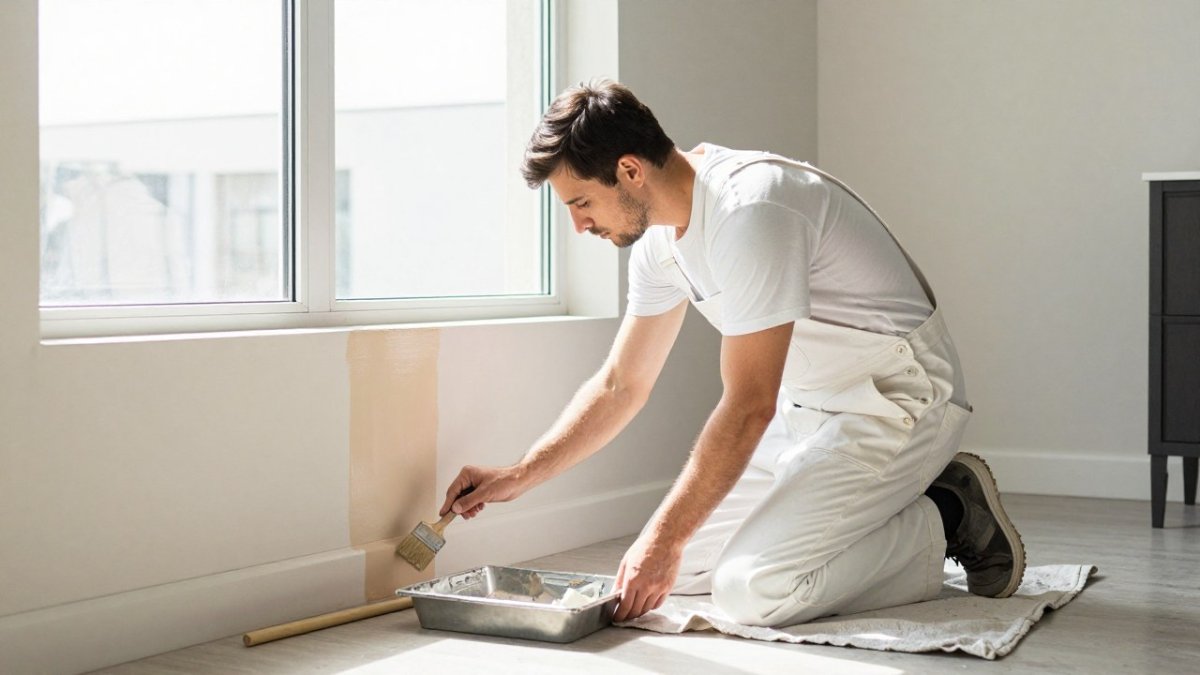
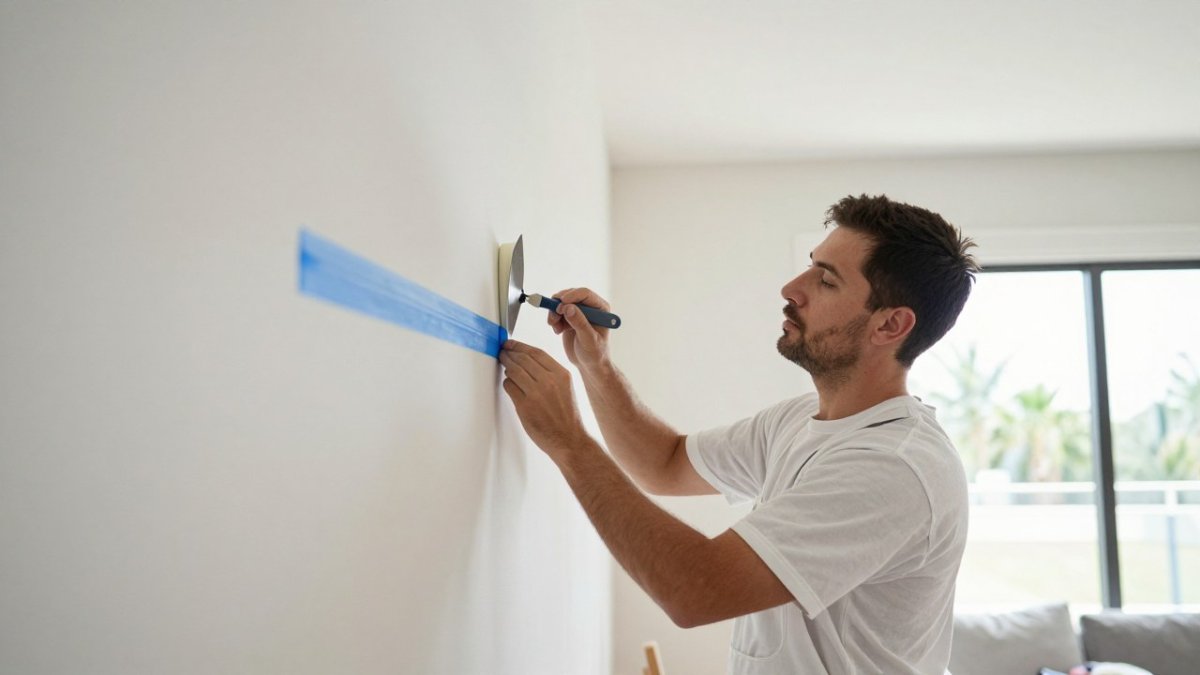
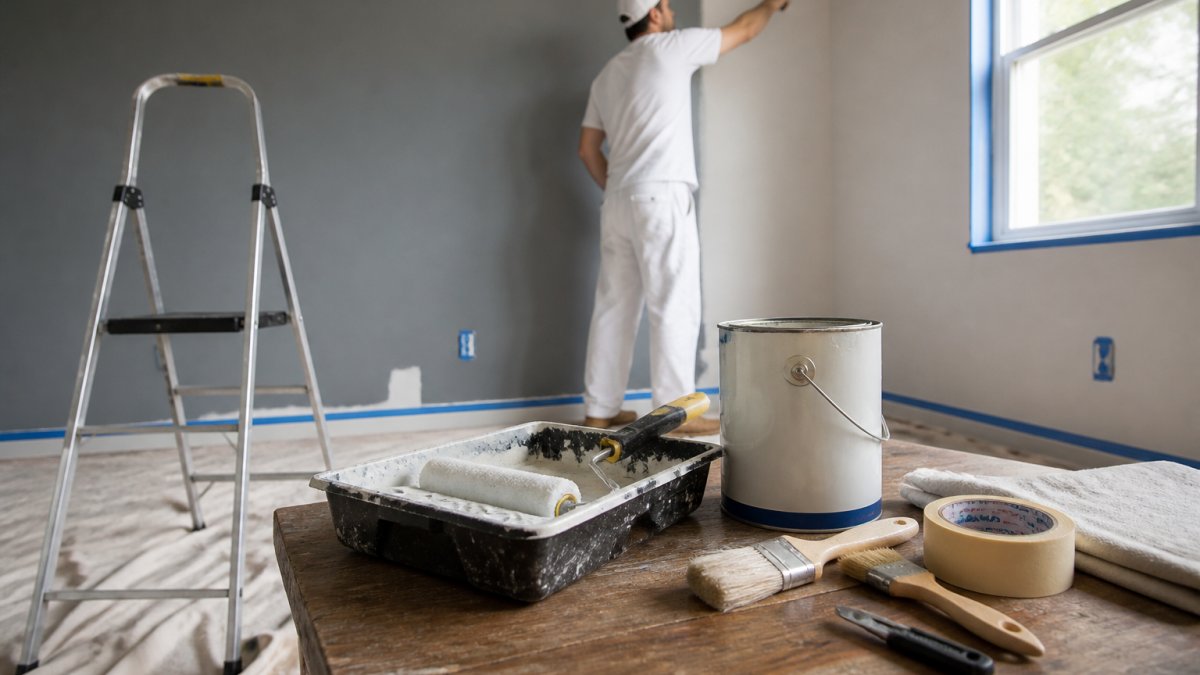
- Lay drop cloths and tape baseboards and trim
- Fill nail holes and sand rough spots
Days 2-3: Priming and First Coat
- Prime walls (required for stains, water marks, or color changes)
- Apply first coat of paint
- Allow 4 to 8 hours dry time between coats depending on paint type
Days 4-5: Second Coat and Details
- Apply second coat to walls
- Paint trim, doors, and ceiling if needed
- Address any thin spots or color inconsistencies
Days 6-7: Drying, Inspection, and Touch-Ups
- Allow full cure time (24 to 48 hours for high-traffic areas)
- Inspect for drips, missed spots, or lap marks
- Perform final touch-ups
- Reinstall fixtures and hardware
Drying time is the biggest variable; high humidity, cool temperatures, or poor ventilation can add 24 to 48 hours.
Best Paint for Rental Properties: Durability and Quick-Dry Options
The right paint impacts rental speed, durability, and repainting frequency. Rental properties need paint that dries quickly, resists scuffs, and holds color through tenant turnover.
Paint Sheen Selection for High-Traffic Areas
Flat finishes hide imperfections but stain easily and show wear within 18 to 24 months, avoid in kitchens and bathrooms. Eggshell (2-4 hour dry time) is the most common rental choice, balancing durability and cost for 3-4 years. Satin (3-6 hour dry time) resists moisture better, lasting 4-5 years in high-traffic areas. Semi-gloss (4-8 hour dry time) is highly durable for doors, trim, and baseboards, lasting 5-7 years.
For walls, eggshell or satin balances durability and cost. Use satin in high-traffic areas (hallways, kitchens) and semi-gloss on doors and trim for maximum durability.
Paint Quality Grade and Repainting Intervals
Budget paint requires 3 coats and lasts 2-3 years; mid-range needs 2 coats and lasts 3-4 years; premium needs 1-2 coats and lasts 4-6 years. Premium paint costs 20-30% more per gallon but saves labor and extends repainting intervals, often justifying the investment over a decade.
Low-VOC and Eco-Friendly Paint Benefits
Low-VOC paints dry faster (second coat in 1-2 hours), improve air quality, and reduce odors. They cost 10-15% more but compress schedules by a full day and meet EPA standards.
Selecting Paint for Your Turnaround Timeline
When requesting quotes, specify paint grade and sheen. Ask contractors which brands they recommend for rental durability and request that estimates show the number of coats required, premium paint often saves time and money over the property's lifecycle.
Rental Property Turnover Checklist: Pre-Painting Inspection and Preparation
A thorough pre-painting inspection prevents surprises and keeps the schedule on track.
Pre-Painting Inspection Checklist:
- Check for water stains, mold, or mildew (may need primer or treatment)
- Identify crayon marks, scuffs, or permanent stains (may need spot priming)
- Look for nail holes, dents, or gouges (note which need filling)
- Test for lead paint if unit was built before 1978 (EPA regulations apply) (the EPA)
- Check wall condition: cracks, peeling, or previous poor prep jobs
- Inspect trim and doors for damage or warping
- Verify HVAC and ventilation are working (critical for drying)
- Document any areas requiring multiple coats or special attention
- Confirm utilities are on and accessible
Preparation Tasks:
- Remove all furniture and personal items
- Disconnect light fixtures and outlet covers
- Lay heavy-duty drop cloths wall-to-wall
- Tape baseboards, trim, and ceiling edges with painter's tape
- Fill holes and sand rough spots with joint compound
- Wipe walls with a damp cloth to remove dust
- Ensure proper ventilation (open windows or use fans)
Skipping this checklist extends the turnaround schedule by days, one missed water stain prevents proper paint adhesion and requires costly touch-ups.
Coordinating Vendors and Scheduling for Minimal Vacancy
Paint is rarely the only trade during turnover. Poor coordination causes vendors to step on wet paint, wait for each other, or conflict.
Scheduling Strategy:
Week Before: Confirm all vendor dates and provide painter with unit access.
Managing the Painting Process: Surface Preparation and Execution
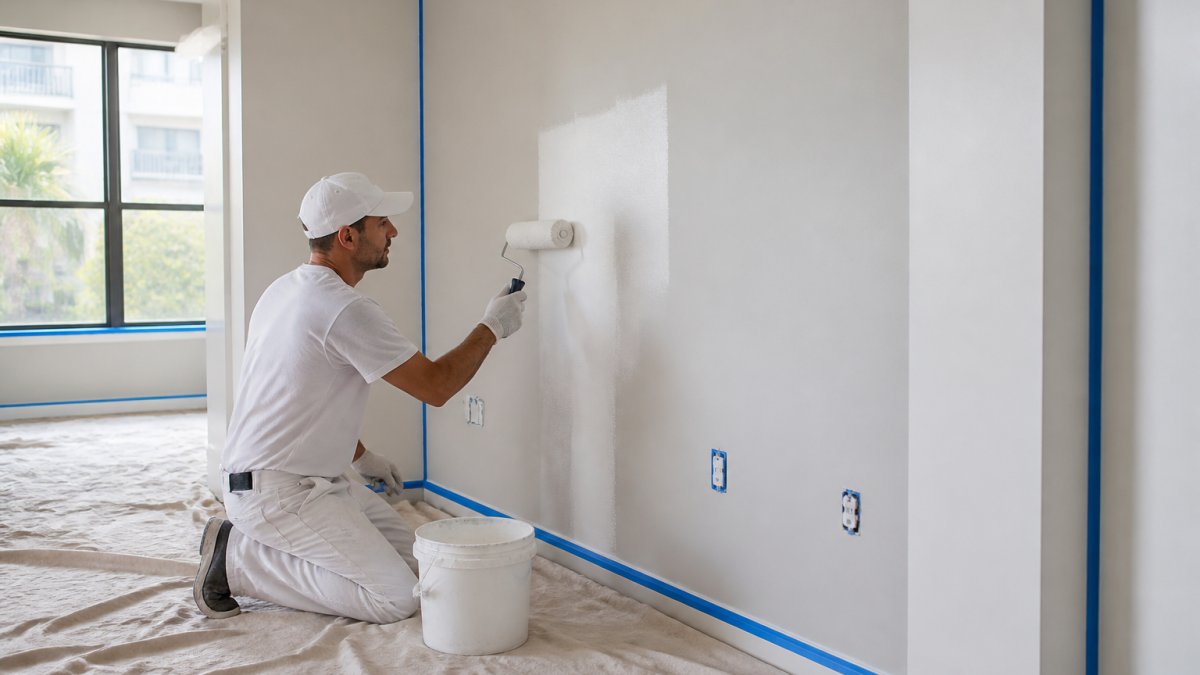
Surface preparation determines paint longevity. Sand glossy surfaces, fill holes, prime stained areas, and wipe with a tack cloth. Apply primer (2-4 hour dry time), then first coat with a quality roller (4-8 hour dry time), then second coat. Inspect in natural and artificial light and perform touch-ups. Budget paint requires 3 coats; premium needs just 2, saving labor and time.
Legal Considerations: Security Deposits and Deductible Painting Costs
Understanding deductible painting costs keeps you compliant and prevents disputes.
Normal Wear and Tear vs. Tenant-Caused Damage
Normal wear and tear (landlord's responsibility) includes faded paint, scuffs, and minor marks. Tenant-caused damage (deductible) includes large holes, permanent stains, and water damage from neglect. Most state laws prohibit deducting routine repainting for normal wear and tear, if you repaint every 3-5 years as standard maintenance, that cost is your responsibility, not the tenant's.
State-Specific Legal Frameworks
Security deposit laws vary by state. Strict normal wear and tear states (California, New York, Illinois) prohibit deducting routine painting. Lease-dependent states (Texas, Florida, Georgia) allow deductions if the lease specifies tenant responsibility. Depreciation-based states (Ohio, Pennsylvania) require depreciation over 3-5 years. Itemization-required states (Massachusetts, New Jersey) require detailed deductions with receipts. Research your state's rules before deducting.
Documentation Requirements to Defend Deductions
If you deduct painting costs, documentation is your legal shield. Disputes often arise because landlords lack proof that damage was tenant-caused or that the cost was reasonable.
Required documentation:
-
Move-in photos and inspection report: Take photos of all walls, trim, and painted surfaces before the tenant moves in. Document the paint condition in writing. This establishes the baseline.
-
Move-out photos and inspection report: Take photos of the same areas after the tenant moves out, within 24 to 48 hours. Document specific damage with close-up photos showing the location and extent. Note the date and time.
-
Itemized invoice from the painter: Request an invoice that separates labor, materials, and the specific areas painted. "Paint apartment" is insufficient. The invoice should show "Interior walls, living room and bedroom: 2 coats eggshell, $X labor + $Y materials" or similar detail.
-
Damage causation statement: In your deduction notice to the tenant, explain specifically how the damage occurred and why it exceeds normal wear and tear. Example: "Large hole in bedroom wall (8 inches diameter) consistent with impact damage, not normal wear. Requires drywall repair and repainting."
-
Reasonable cost verification: If the deduction seems high, be prepared to show that the cost is market-rate for your area. Obtain multiple quotes if the deduction exceeds $500, or reference recent similar jobs you've completed.
-
Lease reference: If your lease specifies painting responsibility or damage repair obligations, include a copy of the relevant lease clause in your deduction notice.
Timing and Notice Requirements
Most states require landlords to return the deposit and provide itemized deductions within 30 to 45 days. Missing this deadline results in penalties, including return of full deposit plus interest.
Provide the deduction notice in writing, either by mail or email (depending on your state's requirements). Include:
- The original deposit amount
- Each deduction with amount and reason
- The remaining balance returned to the tenant
- Copies of supporting documentation (photos, invoices)
- Your contact information if the tenant disputes the deduction
When Painting Deductions Are Legally Risky
Avoid deducting painting costs in these scenarios:
- Routine repainting on schedule: If you repaint every 3 to 4 years as standard maintenance, it's normal wear and tear. The tenant shouldn't pay for it.
- Color changes or cosmetic updates: Repainting to match new décor or update the unit's appearance is a capital improvement, not damage repair. It's the landlord's responsibility.
- Painting to meet code or safety requirements: If you're repainting because the paint contains lead (pre-1978 units) or for health reasons, that's a code compliance cost, not tenant damage.
- Vague or undocumented damage: If you can't prove the damage was tenant-caused with photos and documentation, don't deduct it. The burden of proof is on you.
- Depreciation violations: In depreciation-based states, deducting 100% of paint costs when the paint was 4 years old is legally indefensible. Depreciate the cost over the paint's useful life.
Protecting Yourself with Lease Language
The strongest legal protection is clear lease language that specifies painting responsibility. Consider including:
- "Tenant is responsible for damage beyond normal wear and tear, including large holes, permanent stains, and water damage from tenant neglect."
- "Normal wear and tear includes minor scuffs, fading, and hairline cracks. Landlord is responsible for routine repainting every 3 to 5 years."
- "Painting costs for tenant-caused damage will be deducted from the security deposit, with costs itemized and documented."
Consult a property attorney in your state to ensure your lease complies with local security deposit laws. A well-drafted lease prevents disputes and makes deductions legally defensible.
When to Consult a Property Attorney
If a tenant disputes a painting deduction or threatens legal action, consult a property attorney immediately. The cost of a brief consultation ($150 to $300) is far less than defending a lawsuit or paying penalties for improper deductions. Attorneys can also review your lease and deduction practices to ensure compliance with state law.
Budgeting and Cost Estimation for Rental Property Painting
Painting costs vary by unit size, condition, paint quality, and local labor rates. Request an in-person estimate to prevent surprises.
Cost Estimation Factors:
- Unit size (square footage of walls and trim)
- Paint quality (budget, mid-range, or premium)
- Condition (heavy prep needs cost more than light prep)
- Number of coats required
- Specialty finishes or colors
- Trim and detail work (doors, baseboards, cabinets)
Typical Rental Property Painting Workflow:
| Task | Duration | Notes |
|---|---|---|
| Inspection and prep | 1 day | Identifies damage and prep needs |
| Priming | 4-8 hours | Plus drying time (2-4 hours) |
| First coat | 4-8 hours | Plus drying time (4-8 hours) |
| Second coat | 4-8 hours | Plus drying time (24-48 hours for cure) |
| Touch-ups and inspection | 2-4 hours | Final quality check |
| Total elapsed time | 3-7 business days | Depends on humidity and paint type |
Budget a 10% to 15% contingency buffer for discovered water damage, mold, or structural issues. A written scope protects your investment.
Frequently Asked Questions
How often should a landlord repaint a rental property?
Most property managers follow a fixed cycle of 3-5 years for interior repainting, depending on wear and tear and tenant turnover frequency. High-traffic areas may need touch-ups annually. The key is inspecting your unit at lease expiration and addressing wall damage, scuffs, and stains before the next tenant moves in. A structured rental property turnover checklist helps you catch repainting needs early and budget accordingly.
What is the typical turnaround time for painting a rental unit?
A standard apartment typically takes 3-7 days to paint, depending on unit size, surface condition, and number of coats needed. Interior repaint of a 2-bedroom apartment with proper surface preparation usually requires 4-5 days. Dry time between coats and the complexity of wall damage repair can extend the timeline. Coordinating with other make-ready tasks (flooring, repairs) can compress your total turnaround if scheduled efficiently.
Can I speed up the painting process during a tenant turnover?
Yes. Use quick-dry paint formulas, apply primer and paint in one coat where possible (if the surface allows), and ensure proper ventilation to accelerate dry time. Scheduling your painter immediately after tenant move-out and having all surface preparation completed before work begins cuts delays significantly. Avoid scheduling other contractors during painting to prevent interference and maintain air quality, which affects drying speed.
What are the best paint finishes for high-traffic rental properties?
Satin and semi-gloss finishes offer superior durability and cleanability compared to flat or eggshell finishes. Satin is ideal for walls in high-traffic areas and bedrooms, while semi-gloss works well for trim, doors, and kitchens where scuff resistance matters. These sheens withstand wear and tear better and are easier to touch up between full repaints, reducing long-term maintenance costs and protecting your capital expenditure.
Tight rental turnaround schedules demand precision. LMJ Bright Painting Services specializes in coordinated rental property painting that respects your timeline and budget. We provide detailed scopes before any work begins, transparent cost estimation, and careful preparation that prevents costly surprises. Get started with a free estimate and see how structured planning accelerates your next turnover.