 Ultimate guide
Surface Preparation Standards for Painting Contractors
Table of Contents
- Introduction to Surface Preparation Standards
- SSPC and NACE Joint Standards Overview
- Abrasive Blast Cleaning Levels and Visual Standards
- Mechanical Cleaning Methods: Power Tools and Hand Tools
- Creating a Painting Contractor Surface Prep Checklist
- How Long Does Surface Preparation Take for Interior Painting
- What to Include in a Painting Contract Scope of Work
- Troubleshooting Common Surface Preparation Failures
- Frequently Asked Questions
Last Updated: October 4, 2026
Introduction to Surface Preparation Standards
Surface preparation standards form the foundation of any professional painting project. Without proper surface preparation standards, even the highest-quality paint will fail prematurely, leading to peeling, flaking, and costly repainting.
Surface preparation standards come from the Society for Protective Coatings (SSPC) and the National Association of Corrosion Engineers (NACE). These organizations have developed specifications that define what "clean" means and created visual standards for field verification. Understanding these standards is essential, they define your scope of work and acceptance criteria.
Surface preparation typically accounts for 60-80% of the labor cost on a painting project. Skipping or shortcutting this phase doesn't save money, it defers the cost to when the paint fails and repainting becomes necessary.
SSPC and NACE Joint Standards Overview
SSPC and NACE standards provide a unified framework for surface cleanliness. Each specification (SP-1, SP-2, SP-3, etc.) describes a cleaning method and defines the required visual appearance.
The most commonly referenced standards are SP-1 (solvent cleaning, lightest) through SP-10 (white metal blast, most aggressive). Between these lie mechanical cleaning methods and abrasive blasting at various intensity levels. Each standard includes a visual reference showing the required surface appearance.
These standards create objective acceptance criteria. Instead of vague promises, your scope specifies "SP-6 commercial blast cleaning" or "SP-3 power tool cleaning." Inspectors use visual standards to verify compliance, removing ambiguity and preventing disputes.
For interior painting, the most common standards are SP-2 (hand tool cleaning), SP-3 (power tool cleaning), and SP-6 (commercial abrasive blast cleaning). The appropriate standard depends on substrate type, coating system, and expected service life.
Abrasive Blast Cleaning Levels and Visual Standards
Abrasive blasting uses compressed air to propel abrasive particles at high velocity, removing corrosion, mill scale, old paint, and contaminants. SSPC and NACE standards define three levels of abrasive blast cleaning, each with specific visual acceptance criteria.
Brush-Off Blast and Commercial Blast Cleaning
Brush-off blast cleaning (SP-7) removes loose mill scale, rust, and paint but leaves tightly adhered material. The visual standard shows at least 50% of the original surface visible. It's quick and economical for maintenance repainting.
Commercial blast cleaning (SP-6) removes all loose material and most tightly adhered material, achieving 95% freedom from visible mill scale and corrosion. It's the standard for industrial and commercial work where coating longevity is critical. The surface profile (2.0-3.5 mils) provides excellent paint adhesion.
SP-7 takes a few hours for a moderate surface; SP-6 takes considerably longer because it requires removal of all loose and most tight material. The visual standard is the acceptance criterion.
Near-White and White Metal Standards
Near-white blast cleaning (SP-10) removes essentially all mill scale, corrosion, and old paint, achieving 98-99% freedom from visible corrosion. It creates a 3.0-4.0 mil surface profile for the most demanding applications.
White metal blast cleaning (SP-5) is the most aggressive standard, removing all mill scale, corrosion, paint, and discoloration. It's rarely specified for painting because the cost is high and the benefit over near-white blast is marginal. It's more common in aerospace and military applications.
Mechanical Cleaning Methods: Power Tools and Hand Tools
Not all painting projects require abrasive blasting. Mechanical cleaning using hand tools or power tools is often sufficient and is more practical in occupied spaces or when dust control is a concern.
Hand tool cleaning (SP-2) uses wire brushes, scrapers, and chisels to remove loose mill scale, corrosion, and paint. It's labor-intensive and typically used for spot repairs.
Power tool cleaning (SP-3) uses powered wire wheels, grinding wheels, and needle guns. It's faster than hand tool cleaning and creates a better surface profile (1.0-2.0 mils). It's the most common mechanical cleaning standard for interior painting.
Mechanical cleaning can be done indoors without blasting's dust and noise. However, it doesn't remove tightly adhered corrosion or paint, so adhesion depends on existing coating condition. If old paint is peeling or substrate is heavily corroded, abrasive blasting becomes necessary.
Creating a Painting Contractor Surface Prep Checklist
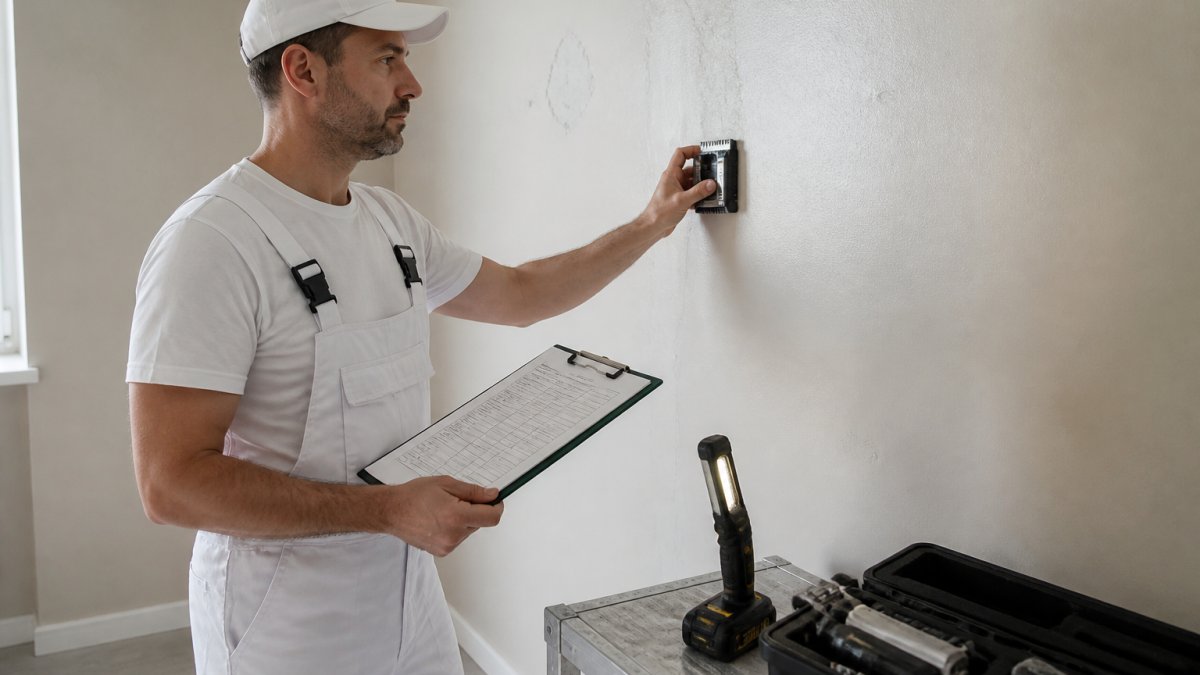
A field-ready surface prep checklist is your verification tool. It translates the written standards into observable, measurable criteria that your crew and inspector can use on site. The checklist should address pre-prep inspection, contaminant identification, cleaning method selection, and post-cleaning verification.
Pre-Prep Inspection and Contaminant Identification
Before cleaning, inspect the surface to identify substrate type, coating condition, and contaminants. This determines the appropriate cleaning method and acceptance criteria.
Substrate type matters because standards differ between ferrous metals (steel, iron) and non-ferrous metals (aluminum, copper). Interior work typically involves drywall, wood, or previously painted ferrous surfaces. Drywall requires minimal cleaning; wood requires sanding for surface profile; previously painted surfaces require coating condition assessment.
Contaminants include mill scale, rust, corrosion, old paint, grease, oil, chalk, salt, and dust. Grease and oil require solvent or alkaline cleaning; mill scale and corrosion require mechanical or abrasive cleaning; chalk and dust require brushing and vacuuming.
Document substrate condition, identify areas requiring special attention, and establish the cleaning method. This documentation becomes part of the project scope and protects both parties.
Field Verification and Documentation
After cleaning, verify the surface meets the specified standard by visual comparison to SSPC/NACE reference images. Document whether it passes or requires re-cleaning.
Documentation includes photographs (consistent lighting), notes on additional work, and signed verification. This protects both contractor and customer by creating an objective record.
How Long Does Surface Preparation Take for Interior Painting
Surface preparation time varies by substrate condition, cleaning method, and area size. For interior painting, it typically takes 40-60% of total project time. Rushing this phase creates false economy.
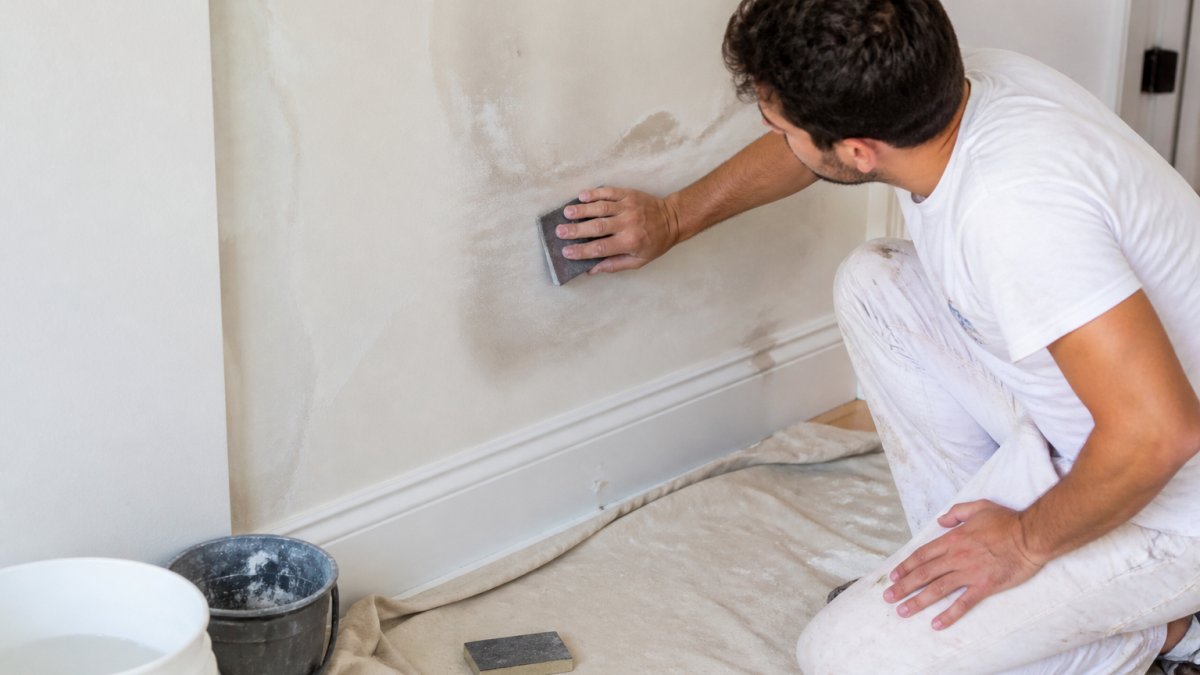
For a typical interior room with previously painted drywall in good condition, preparation (washing, sanding glossy areas, filling holes) takes 2-4 hours per room. Peeling paint or heavy damage increases time significantly.
Wood and cabinetry require more time-intensive preparation. Sanding can take 8-16 hours for a typical kitchen or bathroom. Cabinet painting requires meticulous preparation because imperfections are visible.
For metal or exterior work, hand/power tool cleaning takes 4-8 hours per moderate surface; blasting takes 2-4 hours plus setup and cleanup. Rushing this phase almost always results in coating failure.
What to Include in a Painting Contract Scope of Work
A clear scope of work prevents misunderstandings and disputes. Specify the surface preparation standard, cleaning method, acceptance criteria, and any special conditions or exclusions.
Defining Prep Levels and Acceptance Criteria
The scope of work should reference the specific SSPC or NACE standard that applies to each surface or area. For example: "All interior drywall surfaces to receive SP-2 hand tool cleaning minimum, including removal of loose paint, dust, and contaminants.
The acceptance criteria should be objective and verifiable. Instead of "surface will be clean," specify "surface shall be free of visible dust, loose paint, and contaminants as verified by visual inspection and tape adhesion test." This gives the inspector a clear standard to apply and prevents disputes about whether the work meets the specification.
The scope should also specify what is NOT included. For example: "Surface preparation does not include removal of wallpaper, tile, or permanent fixtures. Customer is responsible for removal of these items prior to painting." This prevents scope creep and unexpected costs.
Protecting Surfaces and Managing Dust Control
The scope of work should specify how adjacent surfaces and areas will be protected during preparation. For interior work, this includes covering floors, protecting trim and hardware, and managing dust. For exterior work, it includes protecting landscaping and neighboring properties.
Dust control is particularly important for interior painting. Aggressive sanding or power tool cleaning creates significant dust that can spread throughout the home. The scope should specify whether the contractor will use dust containment (plastic sheeting and HEPA vacuums) or whether the customer accepts that dust will be present. This is a major quality differentiator, contractors who invest in dust containment provide a much better customer experience.
The scope should also address cleanup. Who is responsible for removing protective coverings and cleaning up dust and debris? This is part of our commitment to transparent, methodical preparation.
Troubleshooting Common Surface Preparation Failures
Even with careful planning, surface preparation sometimes fails. Understanding the common failure modes helps contractors diagnose problems and implement corrections before painting begins.
Flash rust is the rapid formation of rust on a freshly blasted steel surface. It occurs when moisture in the air reacts with the exposed steel.
Adhesion failure occurs when the paint peels or flakes off the substrate.
Coating failure from contaminants occurs when salt, grease, or other contaminants remain on the surface after cleaning.
Surface profile loss occurs when a blasted surface is left exposed too long before coating.
Dust and debris in the coating occurs when the surface isn't properly cleaned before painting or when dust is generated during painting.
The key to avoiding these failures is understanding that surface preparation standards exist for a reason. They've been developed through decades of field experience and testing.
Professional painting depends on getting the surface preparation right. This methodical approach is why our customers feel confident in their investment. Build a free estimate and let us show you how proper surface preparation standards protect your investment.
Frequently Asked Questions
What are the industry standards for surface preparation in painting?
The primary standards are set by SSPC (Society for Protective Coatings) and NACE International through joint publications. These define cleaning levels from SP-1 (solvent cleaning) through SP-10 (near-white blast cleaning), plus mechanical methods like hand tool cleaning (SP-2) and power tool cleaning (SP-3). Each level specifies what contaminants must be removed and the resulting surface profile and anchor pattern required for proper coating adhesion. ISO 8501 provides visual comparison standards to assess whether cleaned surfaces meet specification.
How do I know if my painting contractor is prepping surfaces correctly?
Request a written scope of work that specifies the exact prep level being used (SP-1, SP-2, SP-3, SP-5, etc.). Ask your contractor for a pre-prep inspection report documenting existing conditions, mill scale, corrosion products, and contaminants. Verify they're using appropriate tools for the substrate and prep level, and ask about surface profile measurement and flash rust prevention. A reliable contractor will provide documented inspection criteria and acceptance standards before work begins, allowing you to verify quality during execution.
Why is surface preparation the most important step in a paint job?
Poor surface preparation is the leading cause of coating failure, peeling, and adhesion loss. Mill scale, corrosion products, dust, and other contaminants prevent the coating system from bonding properly to the substrate. The anchor pattern created during prep allows the coating to mechanically lock into the surface, ensuring coating longevity. Skipping proper prep saves time upfront but results in premature failure, increased maintenance, and ultimately higher costs. Proper surface cleanliness and profile directly determine how long your paint job will last.
What should I ask my painting contractor about surface preparation before hiring them?
Ask them to explain their surface prep process in writing, including which cleaning method they'll use (abrasive blasting, power tools, solvent, or hand tools), what contaminant removal steps they'll take, how they'll measure and verify surface profile, and how they'll prevent flash rust and dust contamination. Request that they document pre-prep inspection findings and provide acceptance criteria for the prep work. A transparent contractor will provide a detailed scope of work upfront that defines the prep level, tools, timeline, and quality verification methods before any work begins.
How does surface profile affect paint adhesion and coating longevity?
Surface profile creates the anchor pattern that allows paint to mechanically interlock with the substrate. A proper anchor pattern increases the contact area between the coating and the surface, improving substrate adhesion and coating longevity. Different prep levels produce different profiles: solvent cleaning leaves minimal profile, while abrasive blasting creates significant roughness. The coating system selected must match the substrate profile specified, too smooth and adhesion fails; too rough and paint may not fill valleys properly. Contractors measure profile using depth gauges to ensure specification compliance.
Can surface preparation standards differ between residential and commercial painting?
Yes. Commercial and industrial applications typically require higher prep levels (SP-6, SP-7, SP-10) with stricter visual standards and surface profile requirements due to durability demands and exposure conditions. Residential interior painting often uses lower prep levels (SP-1, SP-2, SP-3) appropriate for protected indoor environments. However, the same SSPC/NACE standards apply; the difference is which level is specified for the project. Your contractor should recommend the appropriate prep level based on your substrate type, coating system, and expected service conditions.