 Ultimate guide
Hire Local Interior Painters Tampa: A Homeowner's Guide
Table of Contents
- What to Look for When You Hire Local Interior Painters
- Questions to Ask Painting Contractors Before Hiring
- How to Prepare Your Home for Interior Painting
- Understanding the Professional Painting Process
- Average Duration of Interior House Painting Projects
- Why Transparent Cost Estimation Matters
- Why Choose a Local, Veteran-Owned Painting Company
- Frequently Asked Questions
Last Updated: September 28, 2026
What to Look for When You Hire Local Interior Painters
When you hire local interior painters Tampa, you're making a significant investment in your home's appearance and value. The difference between a mediocre painting job and an exceptional one often comes down to how carefully you vet the contractor before work begins. Homeowners who ask the right questions upfront rarely encounter surprises mid-project.
Start by verifying licensing and insurance. Any professional painter operating in the area should carry general liability insurance and workers' compensation coverage. Ask to see current certificates, not expired ones. A licensed contractor has demonstrated knowledge of local building codes and professional standards. This protects you legally if something goes wrong during the project.
Experience with your specific project type matters more than you might think. A painter skilled at cabinet refinishing may lack the surface preparation expertise needed for textured walls. Ask about their experience with the exact work you need: residential interior painting, trim and molding work, drywall repair, or cabinet painting. A contractor who's done hundreds of similar projects will anticipate problems before they arise.
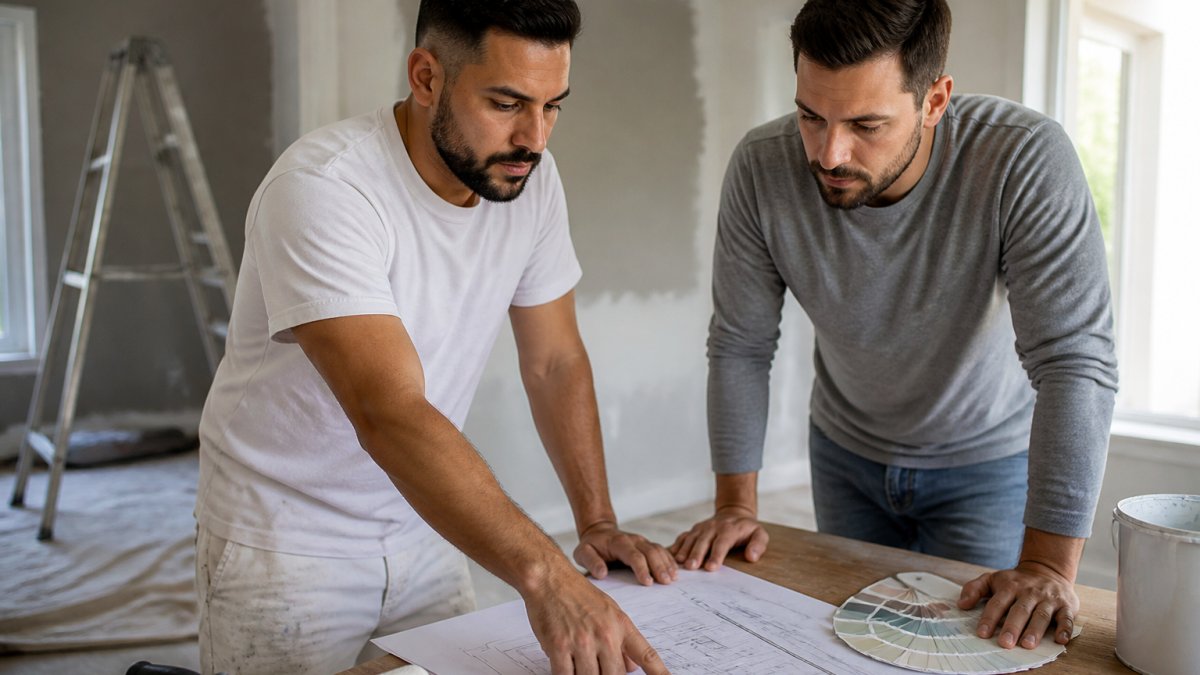
Look for transparency in how they operate. Professional painters should provide a written scope of work before scheduling. This document should detail what surfaces will be painted, what preparation work is included, what paint finish types will be used, and what areas will be protected. When you hire local interior painters Tampa with clear documentation, you eliminate the most common source of conflict: misaligned expectations.
Questions to Ask Painting Contractors Before Hiring
The right questions reveal whether a contractor operates with the methodical approach that prevents costly mistakes. Don't settle for vague answers, push for specifics.
Ask about surface preparation. This is where most painting jobs fail or succeed. A contractor should explain exactly how they'll prepare surfaces: sanding, caulking, priming, and addressing any underlying issues. Ask what happens if they discover water damage, mold, or structural problems during prep work. Will they address it, or will it trigger change orders? When you hire local interior painters Tampa who detail their prep process upfront, you avoid the hidden-issue trap that catches many homeowners.
Inquire about their timeline and scheduling flexibility. Can they work around your schedule? If you need the project completed before a specific date, how do they guarantee that? A professional should give you a realistic project duration based on square footage and complexity, not a guess. Ask how they handle weather delays or unexpected complications.
Request a detailed written estimate before committing. The estimate should break down labor, materials, and any additional services. It should specify the paint brands and finish types they'll use. Ask whether the estimate includes primer application, caulking, trim work, and surface protection like drop cloths and masking. Vague estimates are a red flag, they leave room for surprise charges.
Ask who will actually be doing the work. Will the owner be on-site, or will you be working with subcontractors? There's nothing wrong with subcontractors, but you should know who's responsible if something goes wrong. Continuity matters in painting projects. The same crew from start to finish typically produces better results than a rotating team.
Find out what warranty or guarantee they offer on their work. Do they guarantee the paint won't peel or chip for a certain period? What recourse do you have if you're unhappy with the results? A confident contractor stands behind their work with a written guarantee.
How to Prepare Your Home for Interior Painting
Preparation determines whether paint adheres properly and delivers the finish you're paying for. When you hire local interior painters Tampa, much of the work happens before the first coat goes on the wall.
Clear the room of furniture and personal items. Move what you can out entirely; for larger pieces, push them to the center and cover them with plastic sheeting. Remove outlet covers, light switch plates, and hardware from cabinet doors if applicable. These small items take minutes to remove but hours to paint around. Painters work faster and more precisely when surfaces are clear.
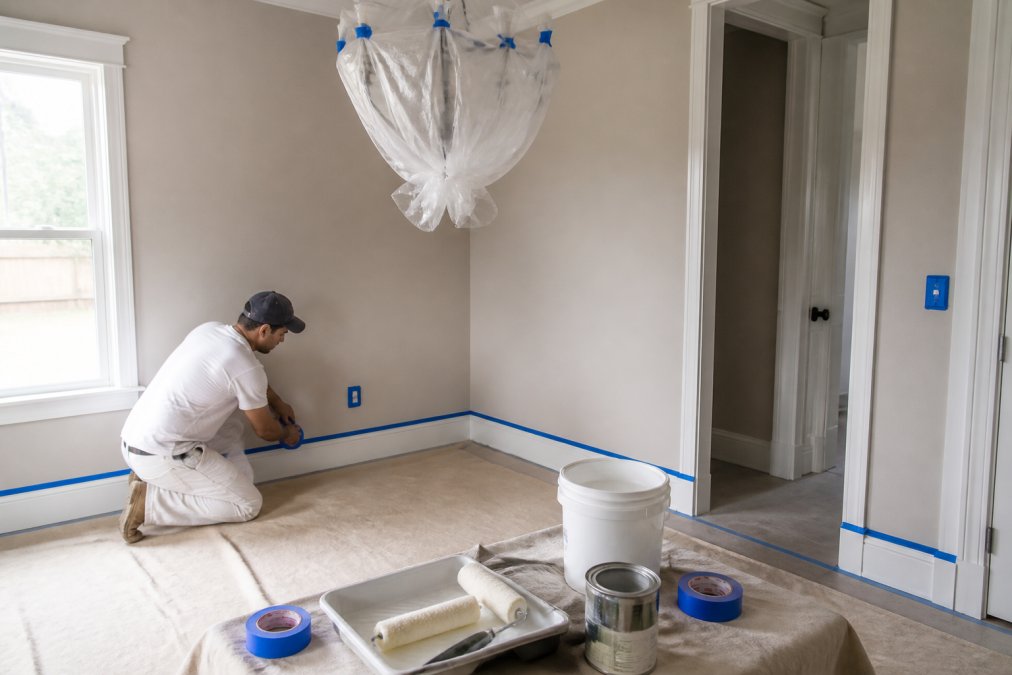
Protect floors with drop cloths. Canvas drop cloths are better than plastic because they don't slide around, but plastic works if you tape it down. Extend protection beyond the room you're painting, paint drips travel farther than you'd expect. Tape plastic sheeting over doorways to contain dust and odor from spreading throughout your home.
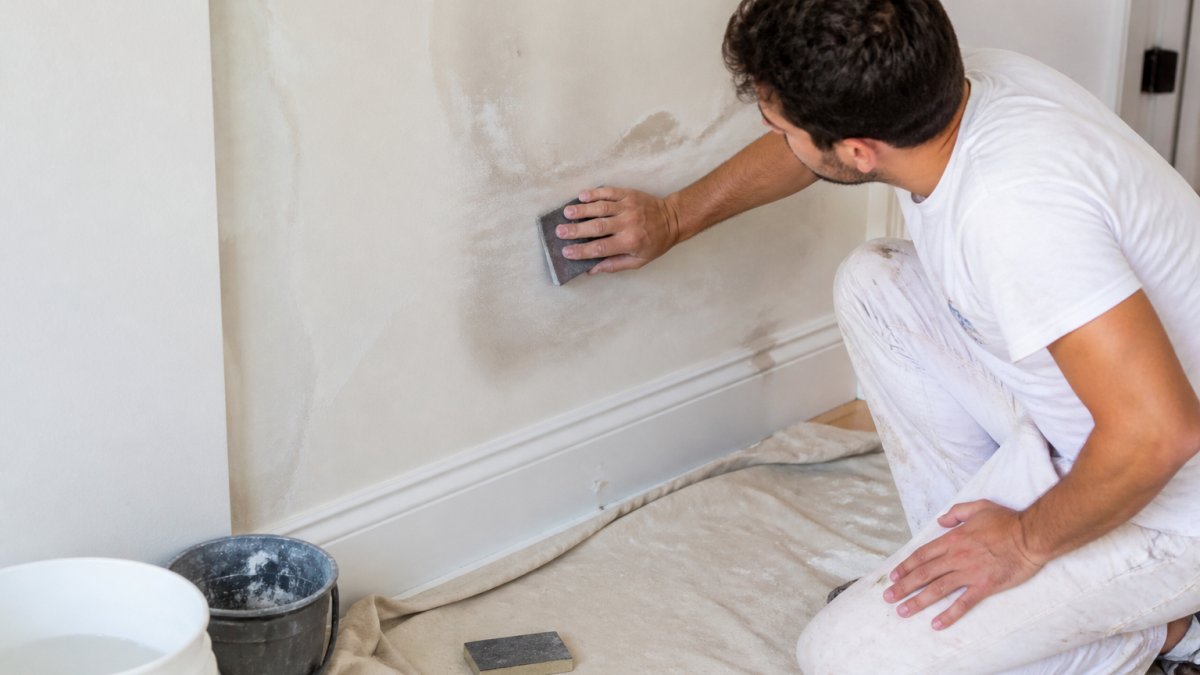
Address wall damage before painting begins. Drywall repair, patching holes, and sanding rough spots should happen during prep, not after primer goes on. A painter can handle minor repairs, but major damage might require a drywall specialist first. Smooth, clean surfaces are the foundation for professional-looking results.
Dust all surfaces thoroughly. Use a damp cloth or tack cloth to remove dust from walls, trim, and ceilings. Dust prevents paint adhesion and creates a gritty texture under the final coat. This step takes time but is absolutely critical.
Discuss color selection before work starts. Bring paint samples home and observe them in different lighting throughout the day. The color that looks perfect in the store often looks different in your actual space. A professional painter can guide you toward colors that work well with your lighting and existing decor. Some contractors offer color consultation as part of their service.
Understanding the Professional Painting Process
The painting process itself follows a sequence designed to ensure durability and aesthetic quality. Understanding each step helps you know what to expect and why it matters.
Primer application comes first for most projects. Primer seals the surface, improves paint adhesion, and provides uniform coverage, especially important when covering dark colors or glossy surfaces. A quality primer prevents the need for multiple finish coats and ensures the paint color appears true. Not all projects require primer, ask your contractor which surfaces need it based on the existing condition and paint type you've selected.
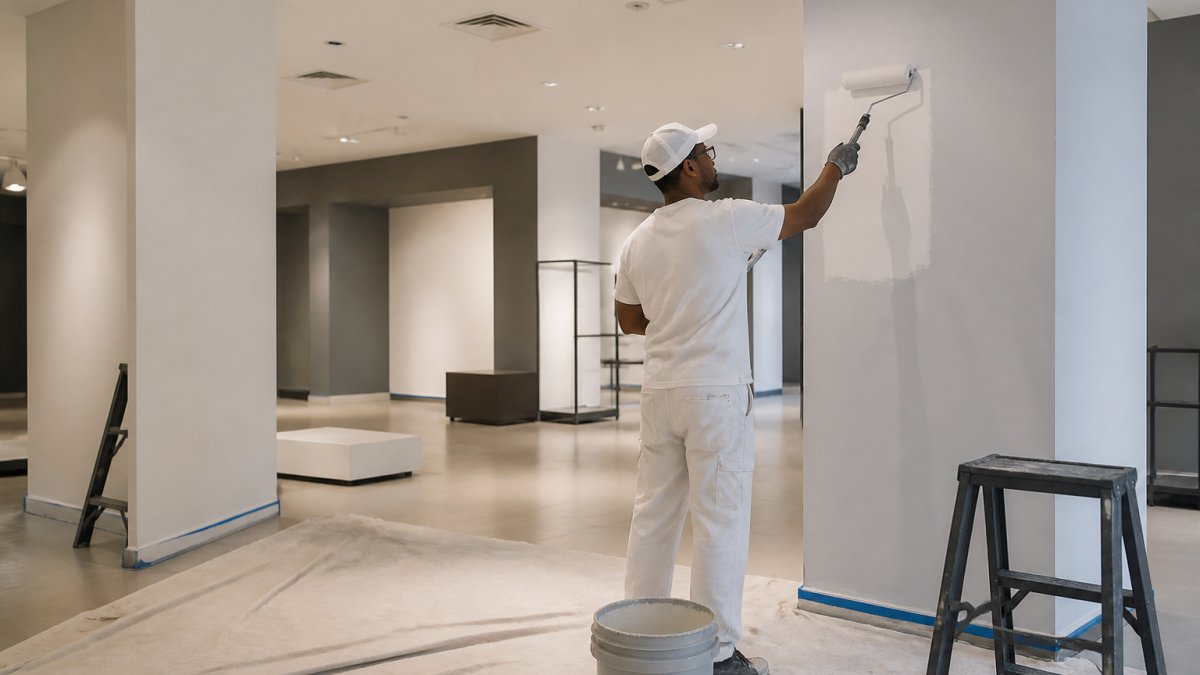
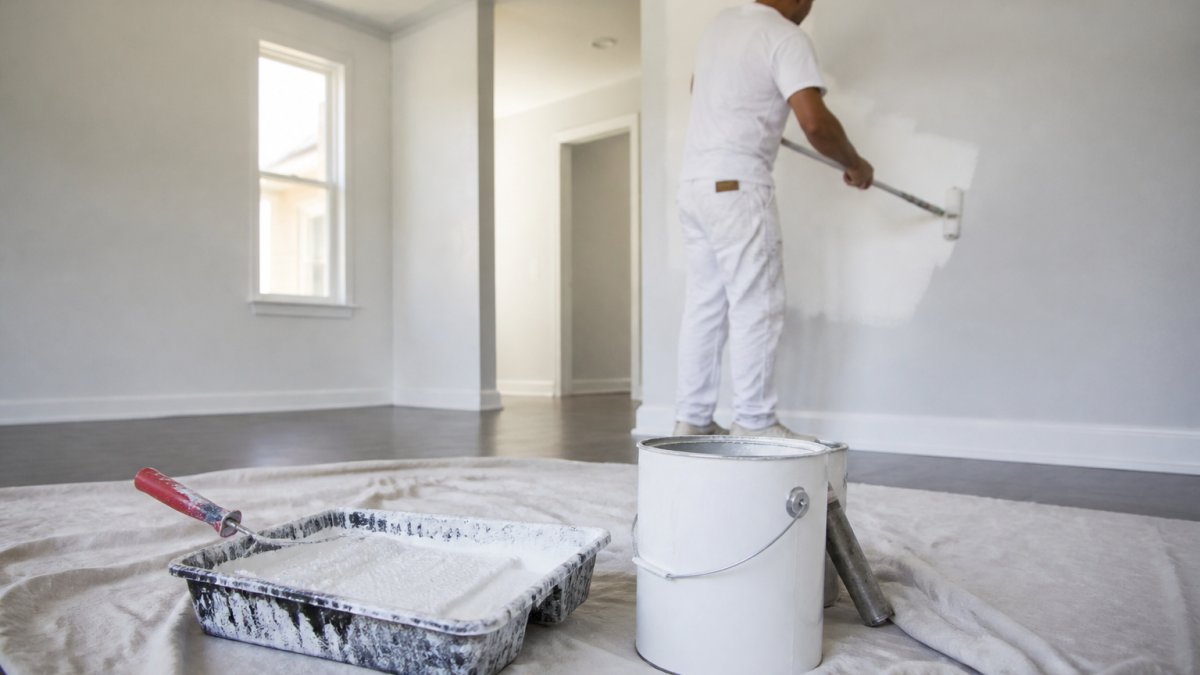
Paint application typically happens in two coats for residential interior work. The first coat provides base coverage; the second ensures uniform color and durability. Professional painters apply paint with rollers for large flat surfaces and brushes for trim, edges, and detailed work. The technique matters, proper roller pressure, consistent stroke patterns, and attention to wet edges prevent visible lap marks and streaking.
Drying time between coats is critical. Rushing this step compromises the final result. Quality paint often requires 4-8 hours between coats, though this varies by product and humidity. A professional painter will advise you on realistic timelines and explain why patience during this phase pays off in a superior finish.
Finish types affect both appearance and durability. Eggshell finishes offer a subtle sheen and are more washable than flat paint, making them ideal for high-traffic areas and kitchens. Satin finishes provide more sheen and durability, suitable for trim and molding. Semi-gloss finishes are highly durable and easy to clean, often used in bathrooms and kitchens. Flat finishes hide imperfections but are less durable in wear areas. Your painter should recommend finishes based on room function and your preferences.
Average Duration of Interior House Painting Projects
Project timeline depends on room size, surface condition, and complexity. Understanding realistic timeframes helps you plan around the work and avoid frustration.
A single bedroom typically takes 2-4 days from start to finish. This includes surface preparation, primer, two finish coats, trim work, and cleanup. Larger rooms or rooms with extensive trim take longer. A living room or master bedroom might require 4-6 days.
Whole-house projects span 1-3 weeks depending on square footage and the number of rooms.
Why Transparent Cost Estimation Matters
Cost surprises derail more painting projects than any other factor. Transparent estimation prevents the conflict that arises when homeowners discover hidden charges mid-project.
Why Choose a Local, Veteran-Owned Painting Company
Local painters understand the specific challenges of your climate and environment. The humidity, temperature fluctuations, and seasonal changes in your region affect paint performance. A painter who's worked in your area for years knows which paint types hold up best and how to adjust techniques for local conditions.
Frequently Asked Questions
What questions should I ask before hiring a painting contractor?
Ask about their licensing and insurance, how they handle surface preparation, what paint brands and finishes they use, whether they provide a written scope of work, their timeline and scheduling flexibility, how they protect your furniture and floors, and what happens if issues arise during the project. Request references from recent residential painting projects. Reputable contractors like LMJ Bright Painting Services provide free estimates and detailed scopes before any work begins, so you know exactly what's included.
How long does interior house painting typically take?
The average duration of interior house painting depends on room size, surface condition, and complexity. A single 12x12 room may take 1-2 days, while painting an entire 2,000 sq ft home typically requires 1-2 weeks. Factors that extend timelines include extensive surface preparation, drywall repair, cabinet refinishing, and multiple coats. Professional painters will provide a detailed project timeline upfront so you can plan around the work schedule.
How do I know a local painting company won't surprise me with hidden charges?
Insist on a written scope of work that details every room, surface to be painted, prep work included, paint type and finish, and final cost before work begins. Reputable local painters conduct in-person assessments to identify any issues upfront rather than discovering them mid-project. Ask how they handle unexpected damage or repairs, whether those are included in the estimate or quoted separately. LMJ Bright Painting Services provides transparent estimates and verifies the scope in writing so you avoid surprises.
What makes professional surface preparation different from basic painting?
Professional painters spend significant time on surface preparation: cleaning, sanding, filling holes, caulking gaps, and priming. This foundation prevents paint peeling, ensures even coverage, and extends paint durability to 5+ years. Many homeowners skip this step or rush it, which leads to poor results. When you hire local interior painters who prioritize preparation, you get a finish that lasts and looks professional.