 Comparison
Alternatives to Oil-Based Paint for Interior Trim
Table of Contents
- Why Homeowners Are Moving Away from Oil-Based Trim Paint
- Water-Based Paint for Trim: The Most Accessible Alternative
- Waterborne Alkyd Paint for Trim: The Oil-Like Alternative
- Painting Over Oil-Based Paint: Preparation and Adhesion
- Best Paint Finish for Trim and Baseboards
- Comparison Table: Key Alternatives at a Glance
- Low-VOC and Health Considerations for Indoor Trim
- Making the Right Choice for Your Trim Project
- Frequently Asked Questions
Last Updated: October 6, 2026
Why Homeowners Are Moving Away from Oil-Based Trim Paint
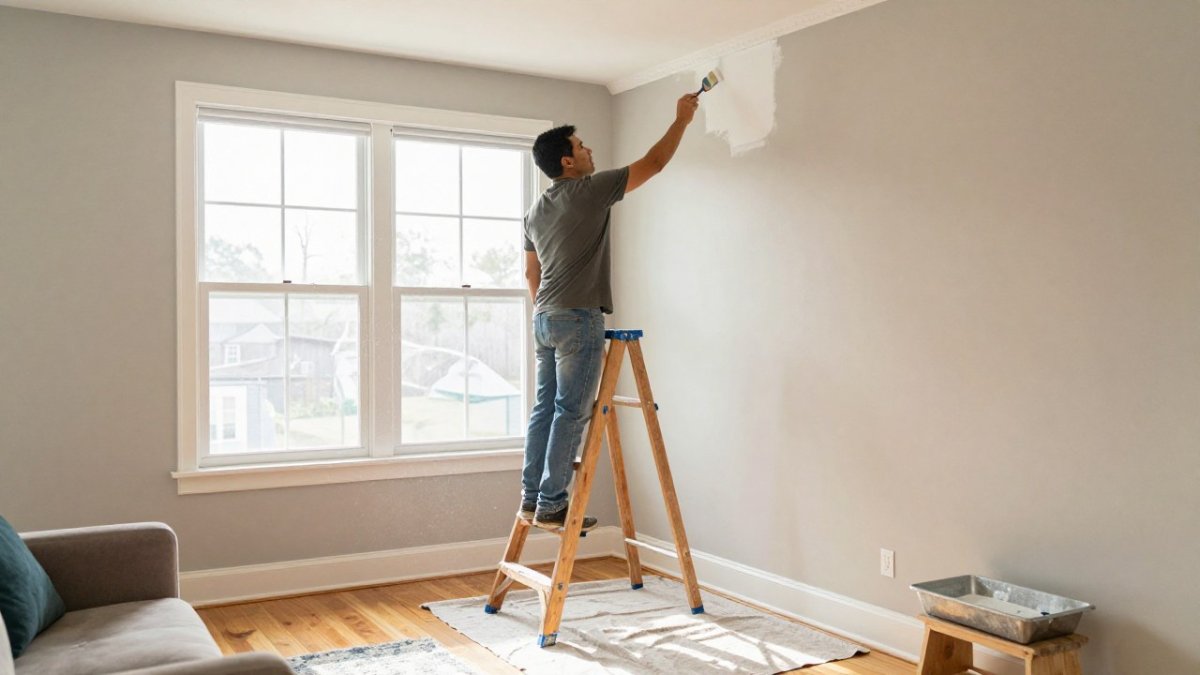
Oil-based paint has dominated interior trim for decades. Baseboards, doors, and cabinetry painted with oil-based enamel delivered a hard, durable finish that resisted scuffs and cleaned up beautifully.
The shift isn't about quality. It's about everything else: fumes, cleanup, drying time, and the simple fact that water-based formulas now match or exceed oil-based durability in most residential applications.
Oil-based paint requires mineral spirits for cleanup, takes 24+ hours between coats, emits strong VOCs during application, and demands careful surface preparation when applying over existing finishes.
Water-Based Paint for Trim: The Most Accessible Alternative
Water-based acrylic latex paint is the most widely available and straightforward alternative to oil-based paint for interior trim. It's not a perfect substitute for every application, but for most homeowners and rental properties, it solves the core problems that make oil-based paint inconvenient.
How Water-Based Acrylic Latex Performs on Baseboards and Doors
Water-based acrylic latex trim paint delivers solid durability on baseboards and doors in typical residential settings. For low-to-moderate traffic areas, bedrooms, living rooms, hallways in single-family homes, acrylic latex performs admirably.
The finish quality depends on the specific product. Standard acrylic latex produces a slightly softer surface than oil-based enamel, which means it's marginally more prone to visible brush marks if application technique isn't precise.
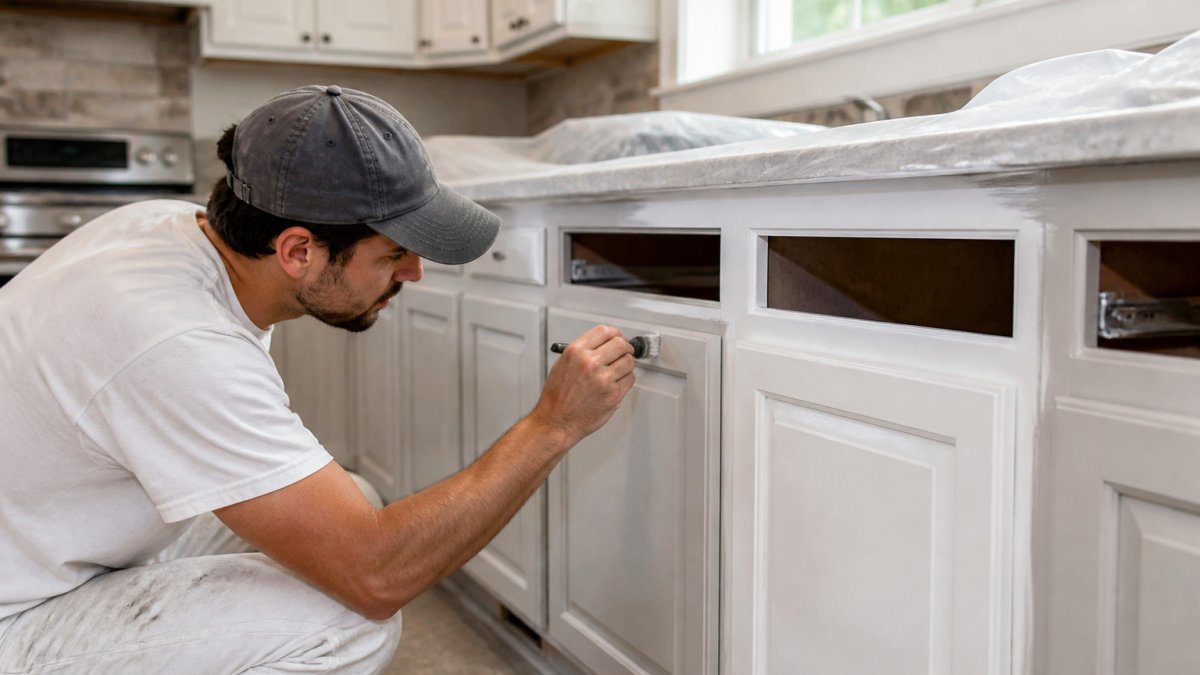
High-traffic zones like entryways or commercial spaces demand more consideration. Standard acrylic latex may show wear faster than oil-based alternatives in these environments. If your trim sees heavy use, a urethane-modified acrylic like Sherwin-Williams Emerald Urethane Trim Enamel offers better scuff resistance without abandoning water-based cleanup advantages.
Cleanup and Application Advantages
Water-based paint's cleanup advantage is real and immediate. Brushes and rollers rinse clean with soap and water. No mineral spirits. No disposal hassles. No lingering solvent smell in your home for days after painting.
Application is faster too. Water-based paint dries to touch in 2-4 hours, compared to 6-8 hours for oil-based formulas. This means you can apply a second coat the same day, cutting project timelines substantially. For rental turnovers or commercial spaces on tight schedules, this difference matters.
One legitimate drawback: water-based paint doesn't flow quite as smoothly as oil-based enamel during application. It requires slightly more careful technique to avoid visible brush marks.
Waterborne Alkyd Paint for Trim: The Oil-Like Alternative
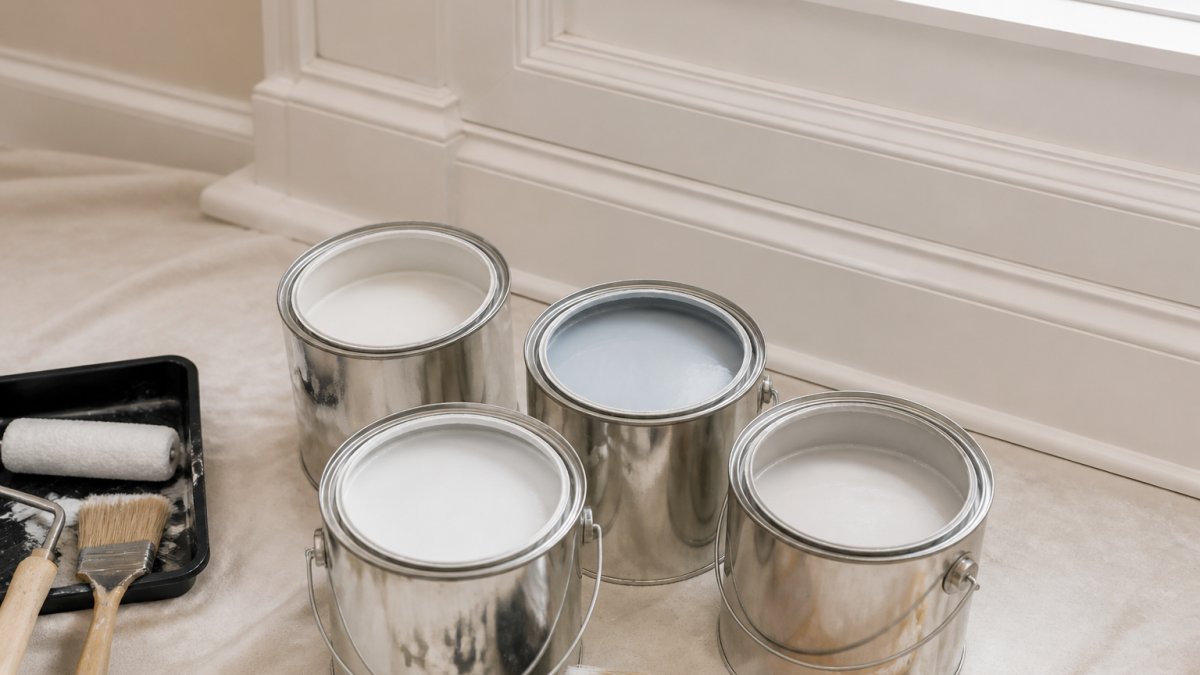
Waterborne alkyd paint represents a genuine middle ground. It's formulated to deliver the smooth flow, leveling, and finish quality of traditional oil-based enamel while using water as the carrier instead of mineral spirits. For homeowners or professionals seeking the closest performance match to oil-based paint, waterborne alkyd is the answer.
Superior Leveling and Finish Quality
Benjamin Moore Advance is the category leader here. It flows like oil-based paint, levels beautifully to hide brush marks, and dries to a hard, durable furniture-quality finish. The difference in application feel is noticeable compared to standard acrylic latex.
The finish quality is exceptional. Waterborne alkyd produces a smooth, glossy appearance that rivals traditional oil-based enamel. For trim where visual perfection matters, high-end cabinetry, formal entryways, or showcase doors, this performance advantage justifies the premium price.
Durability matches the finish quality. The hard surface resists scuffing and staining effectively, performing well in high-traffic areas where standard acrylic latex might show wear.
Drying Time and Recoat Considerations
Waterborne alkyd dries slower than standard acrylic latex but faster than traditional oil-based paint. Expect 6-8 hours to touch-dry and 16-24 hours between coats. This extended open time, the period during which the paint remains workable, is actually an advantage for application.
The trade-off is project timeline. If you need trim painted and recoated in a single day, waterborne alkyd won't accommodate that schedule. Standard acrylic latex remains the faster option.
Painting Over Oil-Based Paint: Preparation and Adhesion
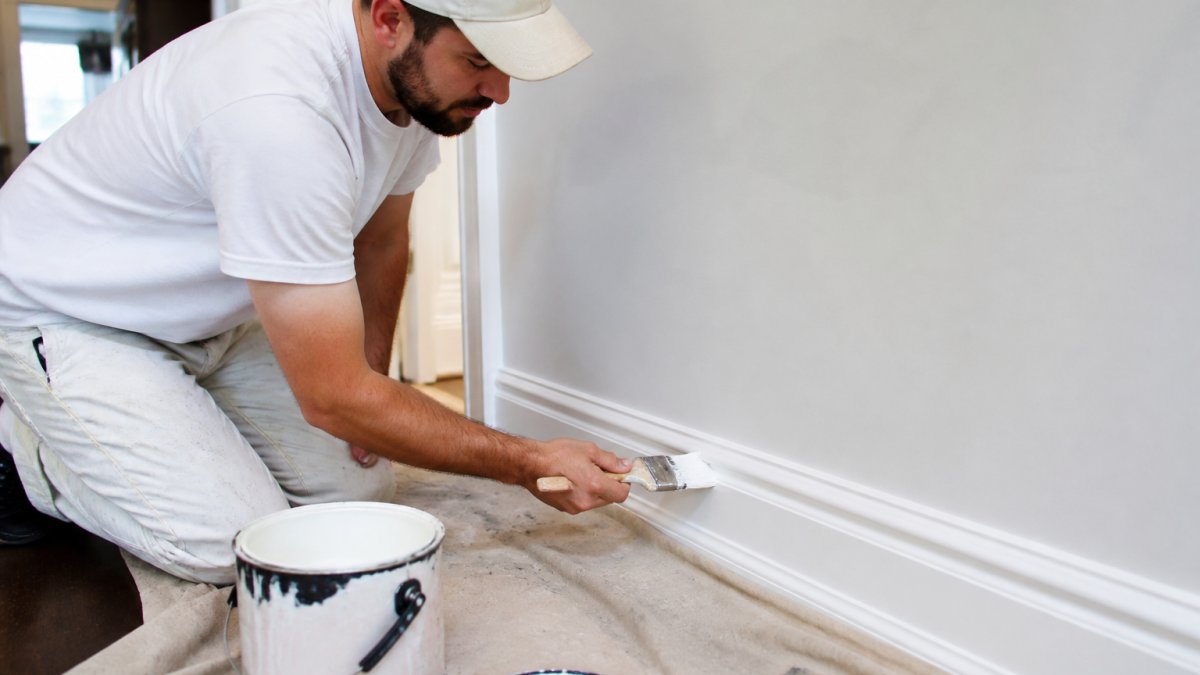
The core challenge when switching from oil-based to water-based alternatives involves adhesion. Oil-based paint creates a slick, non-porous surface. Water-based paint doesn't grip slick surfaces reliably. Proper preparation determines whether your new finish adheres permanently or peels within months.
Testing and Surface Preparation Steps
Before applying any water-based paint over existing oil-based trim, test adhesion on a small, inconspicuous area. Paint a 2-inch square, let it cure for 48 hours, then attempt to scratch or peel the edge with a putty knife. If it peels easily, adhesion is poor and you need additional preparation.
Surface preparation involves three steps:
-
Clean thoroughly. Wash trim with TSP (trisodium phosphate) or a degreaser to remove dirt, dust, and grime. Oil-based paint accumulates residue that prevents water-based paint from bonding. Rinse completely and allow to dry.
-
Sand the surface. Use 150-220 grit sandpaper to dull the glossy finish. You're not removing the paint, you're breaking the gloss and creating mechanical tooth for adhesion. Sand until the surface is uniformly dull, then wipe away dust with a tack cloth.
-
Fill gaps and imperfections. Use paintable caulk or wood filler where needed. Sand smooth after drying.
This preparation is non-negotiable. Skipping it is the primary reason water-based paint fails to adhere to oil-based surfaces.
Primer Selection for Maximum Adhesion
A bonding primer is essential when painting water-based alternatives over oil-based trim. Standard primers won't bridge the adhesion gap reliably. Bonding primers are specifically formulated to grip glossy surfaces and provide a stable base for topcoat adhesion.
Apply bonding primer to all prepared surfaces. One coat is typically sufficient if surface preparation was thorough. Allow the primer to cure fully, check the manufacturer's recommendations, typically 24 hours, before applying your water-based topcoat.
Quality primers make the difference between a finish that lasts and one that fails. This is where many DIY projects go wrong. Skimping on primer to save a few dollars results in peeling paint and wasted effort.
Best Paint Finish for Trim and Baseboards
Paint sheen determines how your trim looks and how it performs. The right finish depends on traffic level, the look you want, and your maintenance expectations.
Semi-Gloss vs. High-Gloss: Sheen Levels Explained
Semi-gloss is the standard choice for interior trim. It delivers a subtle shine that enhances trim detail without creating a mirror-like appearance.
High-gloss produces a dramatic, reflective finish that showcases trim detail and creates visual impact. It's more durable and stain-resistant than semi-gloss, making it ideal for high-traffic areas, kitchens, or bathrooms where moisture and frequent cleaning are realities.
Satin offers a middle ground between semi-gloss and matte finishes. It provides some shine and stain resistance while maintaining a softer, less reflective appearance. Satin works well in bedrooms or living areas where you want durability without high-gloss intensity.
Durability and Scuff Resistance by Finish Type
Higher gloss finishes deliver superior durability and scuff resistance. High-gloss paint is harder and more resistant to damage than semi-gloss, which outperforms satin. This hierarchy matters in high-traffic zones.
For entryways, kitchens, or commercial spaces, semi-gloss or high-gloss is justified by performance. In bedrooms or low-traffic areas, satin or semi-gloss provides adequate durability without visual overkill.
Scuff resistance correlates directly to gloss level and paint formulation. Premium water-based urethane-modified acrylics like Sherwin-Williams Emerald deliver exceptional scuff resistance even in semi-gloss, rivaling or exceeding traditional oil-based high-gloss finishes.
Comparison Table: Key Alternatives at a Glance
| Paint Type | Best For | Drying Time | Finish Quality | Cleanup |
|---|---|---|---|---|
| Acrylic Latex | Budget-conscious, low-traffic areas | 2-4 hours | Good, may show brush marks | Soap and water |
| Waterborne Alkyd | High-end trim, smooth finish priority | 6-8 hours | Excellent, oil-like leveling | Soap and water |
| Urethane-Modified Acrylic | High-traffic areas, scuff resistance | 4-6 hours | Excellent, durable finish | Soap and water |
| Low-VOC Lacquer Alternative | Eco-conscious, indoor air quality | 2-3 hours | Very good, hard finish | Soap and water |
Low-VOC and Health Considerations for Indoor Trim
Volatile organic compounds (VOCs) off-gas from paint during and after application, affecting indoor air quality (the EPA). Oil-based paint contains high VOC levels, contributing to fumes, headaches, and respiratory irritation during application. Water-based alternatives emit significantly fewer VOCs, making them healthier for occupants and applicators.
Most water-based trim paints meet low-VOC standards, typically below 50 grams per liter. For homeowners with chemical sensitivities or those prioritizing indoor air quality, water-based formulations are objectively superior.
Specialized low-VOC products like AFM Safecoat Ecolacq take this further, offering zero-VOC formulations specifically designed for sensitive environments. These products cost more but deliver measurable health benefits for those who need them.
Making the Right Choice for Your Trim Project
Choosing the right alternative to oil-based paint for interior trim depends on three factors: budget, timeline, and performance requirements.
For most homeowners: Water-based acrylic latex offers the best balance of cost, convenience, and performance. Pair it with proper surface preparation and a bonding primer, and you'll get reliable results.
For high-traffic or commercial spaces: Waterborne alkyd or urethane-modified acrylic justifies the premium through superior durability and finish quality.
For health-conscious projects: Low-VOC water-based formulations eliminate fume concerns without sacrificing performance. The cost premium is worth it if indoor air quality matters to your household.
For professional application: LMJ Bright Painting Services handles the preparation, primer selection, and application technique that determines success.
The shift away from oil-based paint reflects genuine improvements in water-based formulations, not marketing hype. Performance has caught up with convenience.
Switching from oil-based to water-based alternatives for interior trim requires careful surface preparation and the right primer, but the payoff is worth the effort. If you're planning a trim refresh and want professional guidance on which alternative suits your specific project, LMJ Bright Painting Services offers a free smart interior painting cost estimator.
Frequently Asked Questions
What is the best paint to use as an alternative to oil-based paint for interior trim?
Water-based acrylic latex and waterborne alkyd paints are the two strongest alternatives to oil-based trim paint. Waterborne alkyds most closely replicate the smooth finish and durability of traditional oil-based paint while offering water cleanup. Standard acrylic latex is more affordable and easier to apply but may require additional coats for full coverage. For high-traffic baseboards and doors, urethane-modified acrylics offer exceptional scuff resistance. Your choice depends on whether you prioritize finish quality, application ease, or durability in high-traffic areas.
Can you paint water-based paint over oil-based trim paint?
Yes, but only with proper preparation. Water-based paint will not adhere to oil-based trim paint without sanding the surface first. Sand the existing paint with 120- to 150-grit sandpaper to dull the glossy finish, then apply a bonding primer designed for oil-to-water transitions. This step is critical because water-based formulas cannot grip the slick surface of cured oil paint. Skip this preparation and your new paint will peel within months. Many homeowners discover this the hard way, which is why professional painters always verify and prepare the existing surface before applying any new coat.
Is water-based paint durable enough for trim and baseboards?
Modern water-based trim paints are durable enough for most interior trim applications, especially high-quality formulas like urethane-modified acrylics and waterborne alkyds. These products resist scuffing, staining, and cleaning better than standard latex paint. However, durability depends on the specific product and sheen level, semi-gloss and high-gloss finishes are more durable and washable than satin or matte. For extremely high-traffic areas like stair railings or frequently-touched door frames, waterborne alkyd paint provides performance closest to traditional oil-based paint.
What is the difference between acrylic and alkyd trim paint?
Acrylic (latex) paint is water-based, dries quickly, and cleans up with soap and water, making it easier for DIY application. Alkyd paint uses a synthetic resin that provides superior leveling, flow, and a furniture-quality finish similar to oil-based paint, but dries more slowly. Waterborne alkyds combine the best of both: they flow like traditional oil paint but clean up with water. Acrylic latex is more affordable and beginner-friendly; waterborne alkyd costs more but delivers a smoother, more durable finish with less brush-mark visibility.
Why should I work with a professional painter for trim projects instead of doing it myself?
Professional painters understand surface preparation, primer selection, and product compatibility, the steps that determine whether paint adheres and lasts. They know how to identify existing paint type, sand correctly, apply primer, and choose the right product for your specific trim condition and use level. They also have access to professional-grade materials and equipment that produce a smoother finish with fewer visible brush marks. Most importantly, they provide a written scope and warranty, so you know exactly what work is included before they start, eliminating surprise costs or incomplete prep work.