 Comparison
Painting Services for Multi-Family Housing: A 2026 Guide
Table of Contents
- What Painting Services for Multi-Family Housing Include
- Multi-Family Painting Cost: What Drives Project Pricing
- Apartment Painting Schedule: Managing Occupied Properties
- Occupied Apartment Painting: Logistics and Communication
- Apartment Turnover Painting: Preparing Units for New Tenants
- How to Choose a Painting Contractor for Multi-Family Properties
- Comparing Service Models and Contractor Types
- Frequently Asked Questions
Last Updated: October 10, 2026
What Painting Services for Multi-Family Housing Include
Painting services for multi-family housing demands precision, coordination, and clear scope definition upfront. The difference between a rushed job and a professional one comes down to how well the work is planned before it begins.
Multi-family painting breaks into interior work (unit repainting, common areas, specialty surfaces) and exterior work (facades, siding, stucco, wood, metal). The real complexity is managing access, protecting tenant spaces, coordinating schedules, and maintaining consistency across multiple units.
Interior Unit Painting and Common Areas
Interior unit painting serves two purposes: tenant turnover refreshes and planned building updates. When a tenant moves out, neutral paint restores the unit to lease-ready condition. Work typically includes walls, trim, doors, and sometimes cabinetry.
Common areas, hallways, corridors, stairwells, leasing offices, clubhouses, see constant foot traffic and require durable finishes that reflect the property's positioning. They're the first impression prospective tenants get.
Exterior Building and Surface-Specific Work
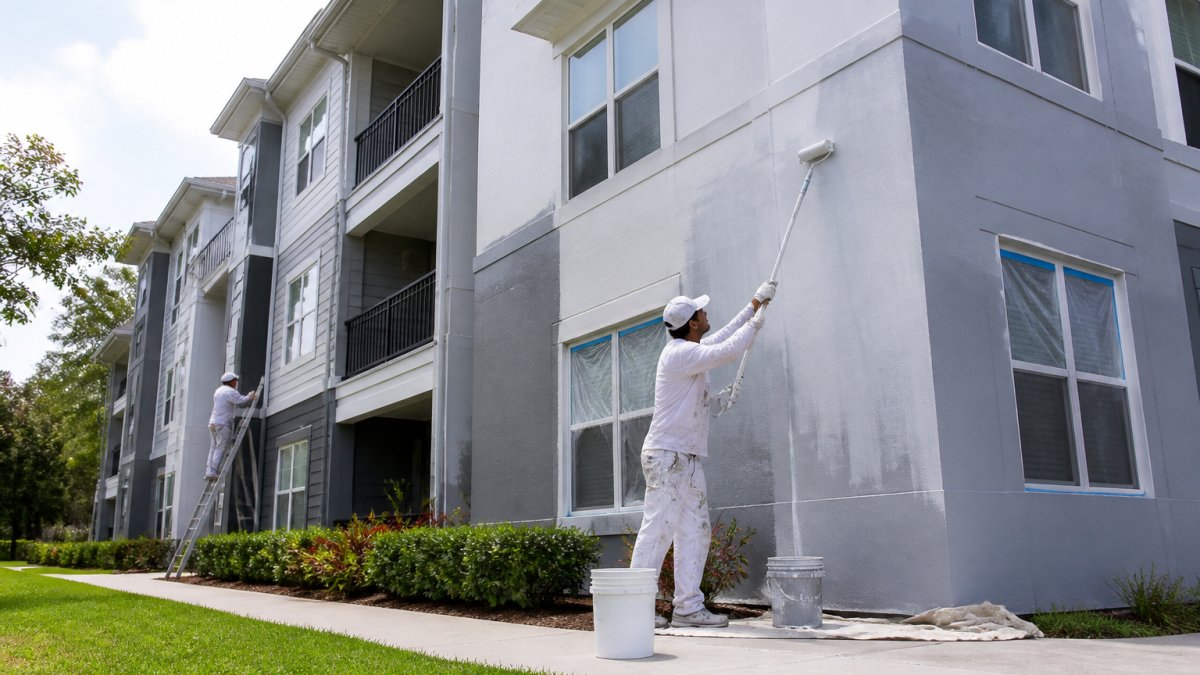
Exterior painting is more complex than interior work. Building exteriors face weather, UV degradation, and moisture infiltration. Surfaces vary, siding, stucco, wood, metal, each demanding different preparation and coating selection.
Stucco requires breathable coatings; wood needs sealing to prevent rot; metal needs rust prevention primers; siding needs cleaning and preparation for proper paint adhesion.
Surface preparation determines longevity. Skipping prep causes paint failure within years. Proper prep, pressure washing, caulking, patching, priming, adds upfront cost but prevents callbacks and warranty claims.
Multi-Family Painting Cost: What Drives Project Pricing
Pricing for painting services for multi-family housing varies by scope, condition, and contractor experience. Understanding cost drivers helps you evaluate estimates and spot unrealistic quotes.
Per-Unit and Per-Square-Foot Pricing Models
Most contractors use per-unit or per-square-foot pricing. Per-unit pricing works for similar units; multiply the rate by unit count. Per-square-foot pricing accounts for size variation.
Neither model accounts for condition. Units with damage or stains require more prep and cost more. Written scopes specify which units fall into which pricing tier.
Surface Preparation and Coating Selection
Surface preparation typically accounts for 40-60% of project cost, including pressure washing, caulking, patching, sanding, and priming. Contractors who underestimate prep either cut corners or lose money.
Coating selection affects cost and longevity. Budget paints fade faster; mid-tier coatings balance cost and durability; premium coatings offer superior fade and stain resistance for high-traffic areas.
For exterior work, quality paint resists mildew, UV, and moisture. Cheap paints fail in 3-5 years; quality coatings last 7-10 years, making them cheaper long-term.
Professional contractors explain coating tradeoffs clearly and let you decide based on priorities and budget.
Apartment Painting Schedule: Managing Occupied Properties
Scheduling is logistically complex. You can't close the building for two weeks, tenants live there and need access. Poor scheduling creates friction and may violate lease terms.
Coordinating Work Around Tenant Occupancy
Phased painting minimizes disruption. Paint one section at a time. Common areas are painted during off-peak hours; individual units only after tenant move-out.
Coordination requires clear upfront communication. Tenants need 48-72 hours' notice before common area work, specifying affected areas, duration, and access restrictions.
Some properties implement a 24-hour no-entry window after painting to allow proper curing. Tenants accept this when they understand the reason.
The real mistake is underestimating timeline. Painting 100 units takes time. Rushing creates quality issues. A contractor who promises to paint your entire property in two weeks is either understaffed, cutting corners, or both.
Occupied Apartment Painting: Logistics and Communication
Painting occupied apartments requires a different skill set than painting vacant units. You're working in someone's home. Protecting their belongings, minimizing disruption, and maintaining professionalism aren't optional, they're the foundation of the job.
Protecting Tenant Spaces and Managing Access
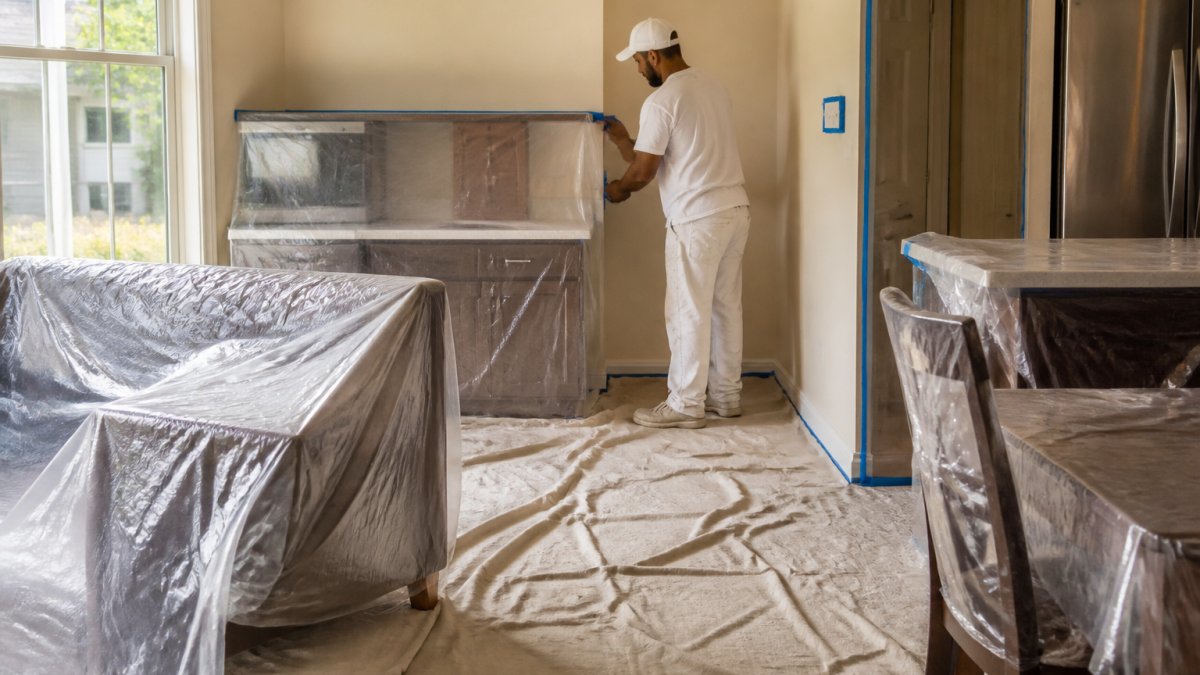
Professional occupied-unit painting starts with protection. Floors get covered with drop cloths or plastic sheeting. Furniture is either moved to the center of the room and covered, or moved to another room entirely. Light fixtures, outlets, and hardware are taped. Doors are protected to prevent paint transfer to adjacent spaces.
Access management is critical. Tenants need clear instructions on when painters will arrive, how long they'll be there, and what to expect. A professional contractor provides a window, not an exact time, and calls 30 minutes before arrival. This prevents surprises and allows tenants to prepare.
During the work, painters should minimize disruption. Music, loud tools, or excessive traffic through the unit creates tenant friction. The best contractors work efficiently, clean up daily, and leave the space in better condition than they found it.
Communication after the job is equally important. Tenants need to know how long paint will cure, what surfaces to avoid, and how to care for newly painted surfaces. A simple one-page instruction sheet prevents issues and builds confidence in the contractor's professionalism.
Apartment Turnover Painting: Preparing Units for New Tenants
Turnover painting is the bread and butter of multi-family painting work. When a tenant moves out, the unit needs refreshing before the next tenant moves in. The goal is fast, cost-effective, and professional.
Scope and Timeline for Vacant Unit Repainting
A typical vacant-unit turnover paint job includes walls, trim, doors, and ceilings in neutral tones. It does not include flooring, cabinetry (unless specifically quoted), or major repairs. The scope should be written clearly so both the contractor and property manager know exactly what's included.
Timeline matters. Most property managers want units turnaround-ready within 5-7 days of tenant move-out. This includes cleaning, minor repairs, and painting. A well-organized contractor coordinates with cleaning crews and maintenance to work sequentially, not simultaneously.
Quality in turnover painting is about consistency. Every unit should look the same. Paint color, sheen, and application should be uniform. This requires the same painter or team on multiple units, not rotating different crews. Consistency builds tenant confidence and reduces leasing objections.
The best contractors photograph units before and after. This creates a record of work quality and protects against tenant damage claims. If a tenant claims the unit was damaged during painting, photos prove otherwise.
How to Choose a Painting Contractor for Multi-Family Properties
Selecting a contractor for multi-family painting is different from hiring for a single-family home. You're making a decision that affects dozens of units, tenant satisfaction, and property operations. The wrong choice creates delays, quality issues, and tenant complaints.
Written Scope, Transparent Estimates, and Quality Assurance
The first red flag: a contractor who quotes over the phone without seeing the property. Multi-family painting requires site assessment. Condition varies. Access challenges affect timeline. A professional contractor visits the site, documents conditions, and provides a written scope before quoting.
The written scope should specify exactly what's included: which areas will be painted, what surfaces will be prepped, what coatings will be used, what protection will be provided, and what timeline is realistic. It should also specify what's not included, repairs, flooring, or specialty work, so there are no surprises.
Transparent estimates break down costs. You should see labor, materials, and contingency as separate line items. You should understand why one contractor costs more than another. If Contractor A charges $15,000 and Contractor B charges $10,000 for the same scope, ask why. The answer reveals whether Contractor B is more efficient or cutting corners.
Quality assurance is non-negotiable. Ask about warranty. Most reputable contractors warranty their work for 1-2 years against peeling, flaking, or color fading under normal conditions. They should also have a process for addressing issues, a tenant calls, the contractor responds, and the issue is resolved without argument.
Safety, Compliance, and Environmental Practices
Multi-family painting involves safety considerations often overlooked by residential contractors. Working at height requires fall protection. Using ladders in hallways requires traffic management. Handling paint and solvents requires proper ventilation and disposal.
Ask about safety practices. Does the contractor have liability insurance? Do they follow OSHA guidelines for fall protection? Do they use low-VOC coatings to minimize fume exposure to tenants? These aren't optional, they're baseline requirements for professional work.
Environmental practices matter too. Paint disposal should be proper, not poured down drains. Plastic sheeting and drop cloths should be recycled or disposed of responsibly. A contractor who takes these seriously demonstrates professionalism and reduces liability for the property.
Compliance with local building codes and regulations is essential. Some jurisdictions require specific certifications for commercial painting work. Some have rules about work hours or noise levels. A local contractor familiar with these requirements prevents violations and fines.
Comparing Service Models and Contractor Types
Not all painting contractors are the same. Understanding the differences helps you choose the right fit for your multi-family property.
Local, Veteran-Owned, and Established National Contractors
Local contractors typically serve a specific geographic area. They know local building codes, weather patterns, and material availability. They're often more flexible with scheduling and more responsive to issues.
Veteran-owned contractors bring discipline and structure to their operations. Military training emphasizes planning, execution, and accountability. Many veteran-owned painting companies excel at managing complex projects with multiple teams and tight timelines.
National contractors have resources and systems. They can handle large projects, provide consistent quality across regions, and offer corporate-backed warranties.
The best choice depends on your needs. For a single property with 50 units, a local or veteran-owned contractor often delivers reliable service.
| Contractor Type | Strengths | Limitations | Best For |
|---|---|---|---|
| Local Independent | Flexible scheduling, responsive, competitive pricing | Limited capacity, variable quality control | Single properties, smaller projects |
| Veteran-Owned | Structured approach, reliable execution, detailed planning | May have less capacity than nationals | Property managers who value accountability |
| National Chain | Capacity, systems, corporate warranty | Higher cost, less personal attention | Large portfolios, multi-region properties |
Ask the right questions before hiring. How long have they been in business? Can they provide references from similar multi-family projects? What's their process for managing quality across multiple units? How do they handle tenant communication?
The answers reveal whether a contractor is professional and reliable or cutting corners to maximize profit.
Choosing a painting contractor for multi-family housing comes down to clarity and accountability. You need a contractor who defines the scope in writing, communicates transparently about costs and timeline, and stands behind their work.
Frequently Asked Questions
How much does it cost to paint a multi-family property?
Multi-family painting cost depends on unit count, surface area, surface condition, and coating type. Pricing typically uses per-unit or per-square-foot models. Interior units cost less than exterior work due to surface preparation and weather variables. Get a free estimate from a contractor who visits your property in person to verify actual conditions before quoting. This prevents hidden-cost surprises after work begins.
How do painting contractors schedule work in occupied apartments?
Contractors coordinate apartment painting schedule by grouping work into phases that fit tenant occupancy. Early morning or evening shifts minimize disruption. Professional contractors confirm access requirements, provide advance notice to tenants, and establish clear communication channels. Occupied apartment painting requires written scheduling agreements that specify entry times, work zones, and daily cleanup to maintain tenant satisfaction and property operations.
What should a multi-family painting proposal include?
A complete proposal specifies surfaces to be painted, prep work included, coating type and finish, unit-by-unit or area-by-area breakdown, timeline, access requirements, protection methods, warranty terms, and total cost. Written scope prevents disputes about what is and isn't included. Reputable contractors provide this in writing before scheduling or payment, so you know exactly what you're paying for.
How long does apartment turnover painting take?
Apartment turnover painting timelines depend on unit size and condition. A standard apartment typically takes 3-5 days including surface prep, primer, and finish coats. Vacant units allow back-to-back scheduling without tenant coordination delays. Contractors who plan work zone by zone and provide room-by-room estimates can commit to specific turnover deadlines, critical for maintaining rental income during tenant transitions.